Manchester Theatre News & Reviews
REVIEW - A Man for All Seasons is an accomplished, authoritative production driven by political intrigue
 BOOK YOUR TICKETS HERE
We were invited to Lowry in Salford to see A Man for All Seasons. Read what our reviewer Christa Norton thought about this excellent production...
The life and times of Henry Tudor continue to be all the rage. As a nation, we remain fascinated, beguiled and – I suspect – horrified by a man both figuratively and literally larger than life. Everything about his story is outrageous, from his six marriages and ruthless pursuit of a male heir to his extraordinary willingness to rewrite the religious and political landscape of England in his own image.
There is little that is quiet about Henry's story, and that – perhaps – is what I find so appealing about the story of Thomas More. Here was a man who stood at the very centre of Tudor power, yet whose greatest act of defiance was his refusal to speak.
For me, More is a fascinating figure. Canonised by the Catholic Church in 1935, he is celebrated as a martyr who died rather than betray his religious convictions. But history is rarely so straightforward: More was also a fierce opponent of the Protestant Reformation, responsible for the persecution and execution of religious dissenters: his own record on religious tolerance is therefore less admirable than his reputation as a champion of conscience might suggest.
The title itself introduces another contradiction. Originally used to describe More's ability to adapt comfortably to different people and circumstances, the phrase takes on a rather different significance in Robert Bolt's play, where More is defined by his refusal to adapt his principles to suit those around him.
It is this contradiction that makes Thomas More such an intriguing subject for drama, and this production of A Man For All Seasons at The Lowry offers an accomplished, authoritative interpretation that, for me, sets the benchmark for the play.
Most people will be familiar with the story of Henry VIII and his determination to divorce Catherine of Aragon to marry Anne Boleyn. But A Man for All Seasons focuses Thomas More, who finds himself caught between his loyalty to the King and his own religious conscience.
As Henry seeks to break with Rome and establish himself as head of the Church in England, More, a respected lawyer and statesman, finds himself in an increasingly impossible position. A devout Catholic, he cannot support the King's actions, but neither does he wish to challenge his authority or break his oath of obedience to the King. His solution is to remain silent, believing that the law will protect him from having to declare a position either way.
Unfortunately for More, silence is not enough. As the King's advisers become increasingly determined to secure his support, More's refusal to cooperate puts his career, his family and eventually his life at risk. With former friends turning against him and others spotting opportunities for their own advancement, the political pressure builds towards a confrontation that can have only one outcome.
Although the historical events are well known, Bolt makes the story surprisingly immediate by concentrating on the relationships behind them.
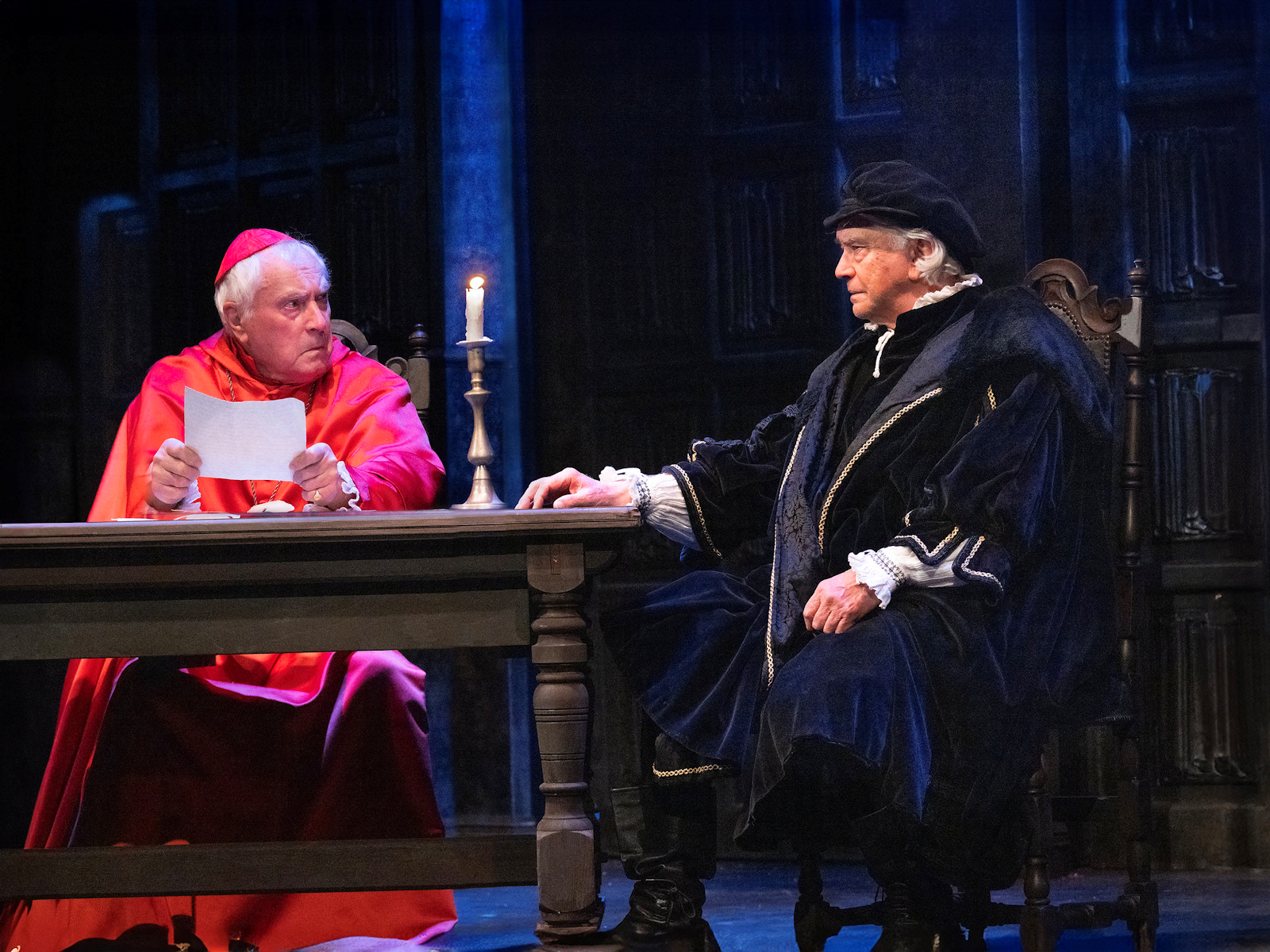
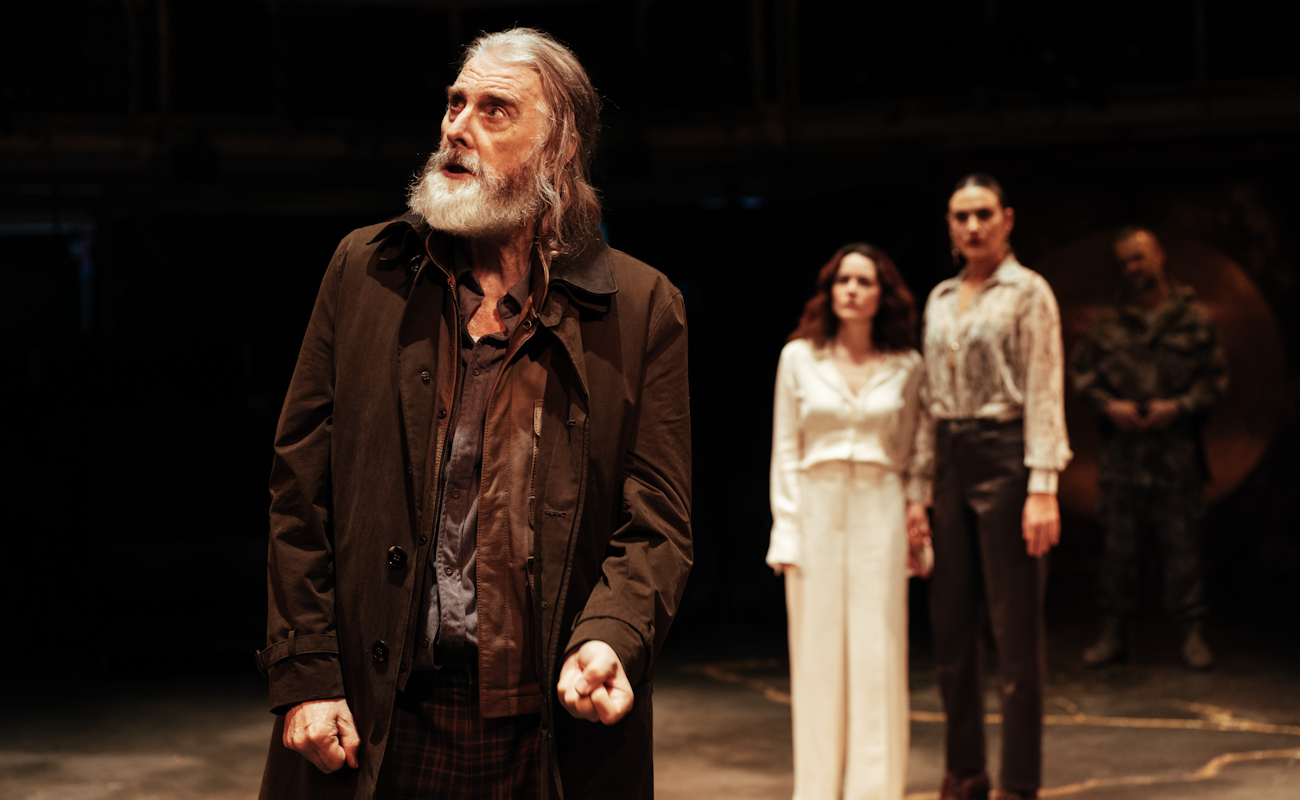
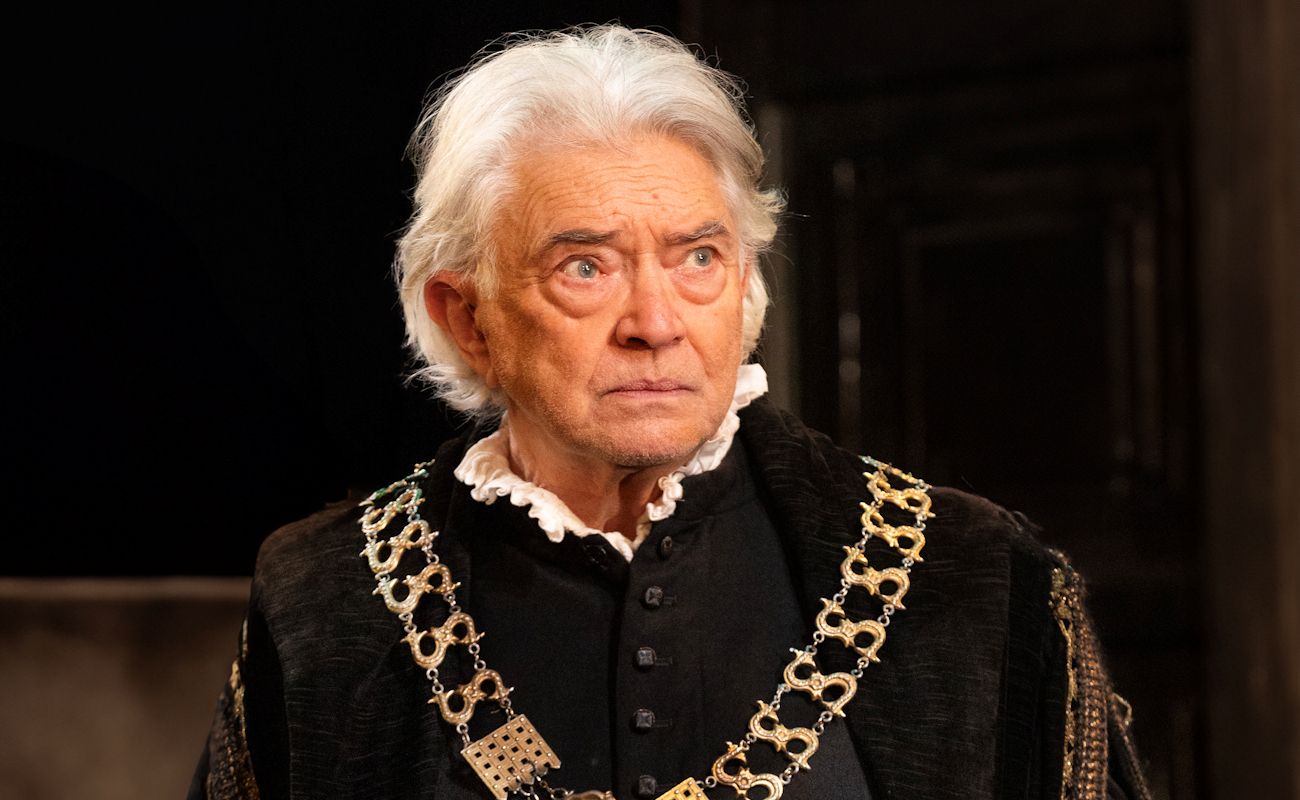
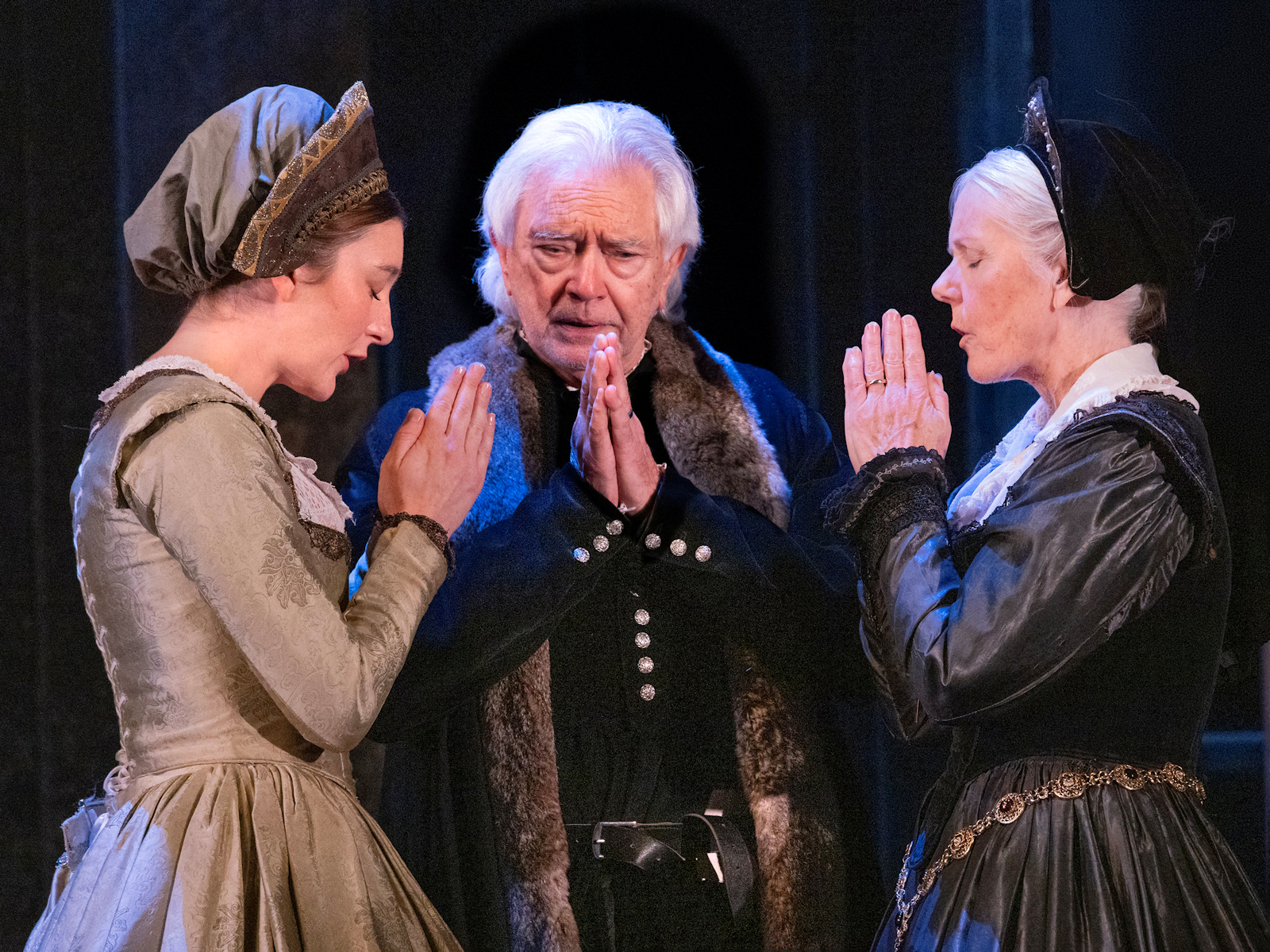
As the titular Man for All Seasons, Martin Shaw (Judge John Deed, Inspector George Gently, The Professionals) delivers an exceptional performance full of quiet gravity and conscience. The production sees him almost always placed centre stage, whilst the other characters fall in and out around him, creating a sense of More as a calm and steady figure amid the swirl of political chaos. Only at the end does this change, when More can finally speak his mind – Shaw’s delivery of this monologue is spine chilling, full of conviction as well as the elation of one finally free to speak his mind.
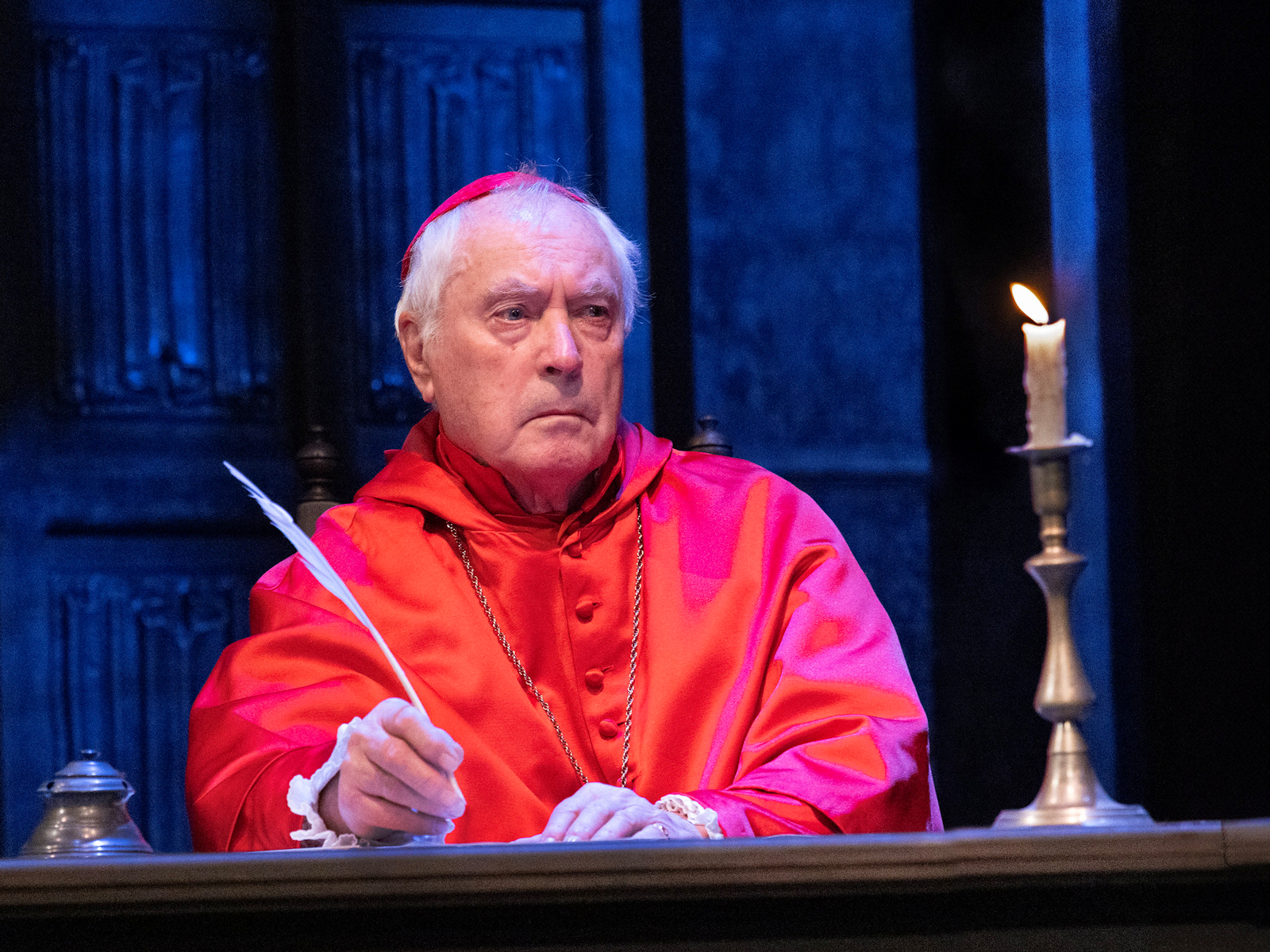
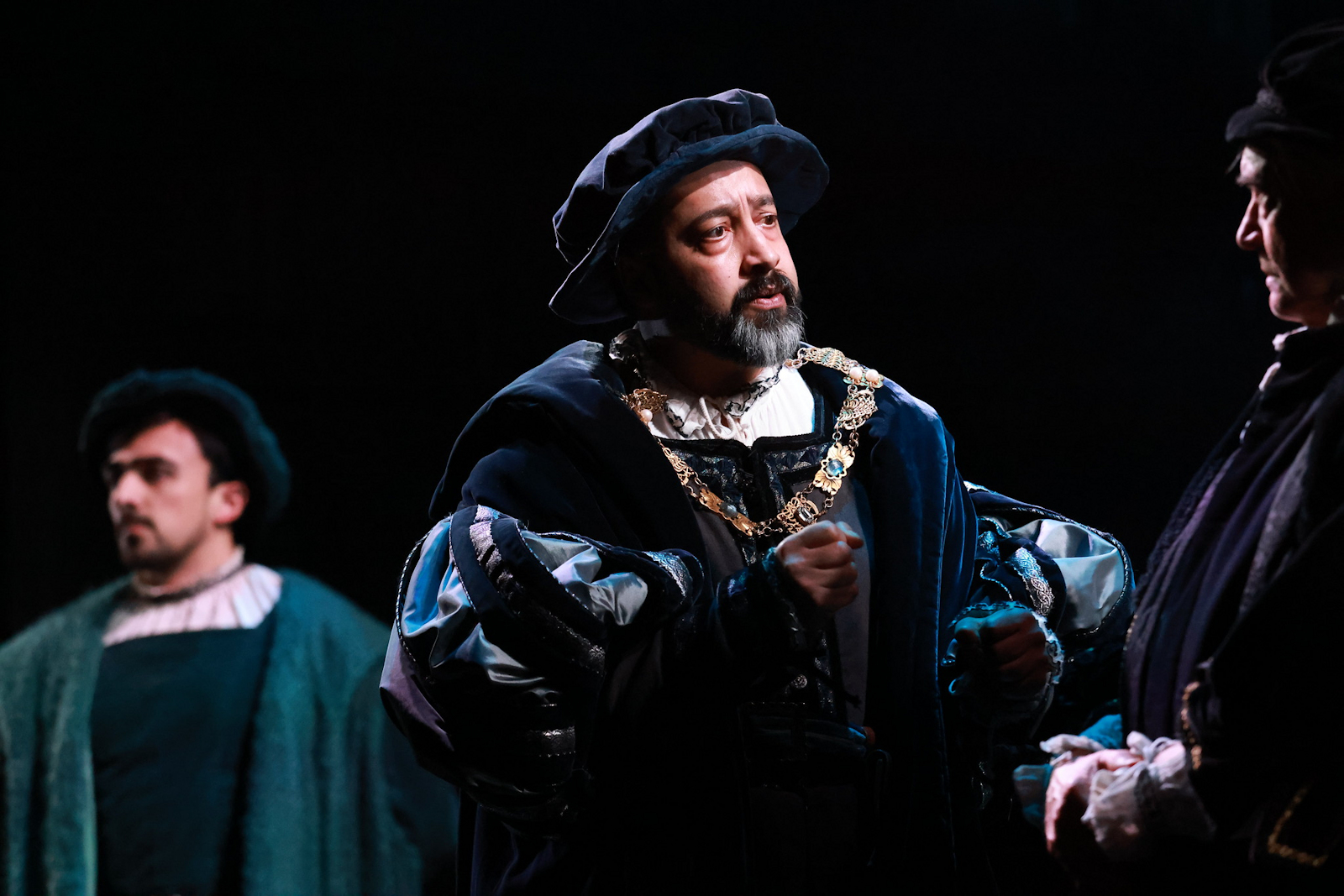
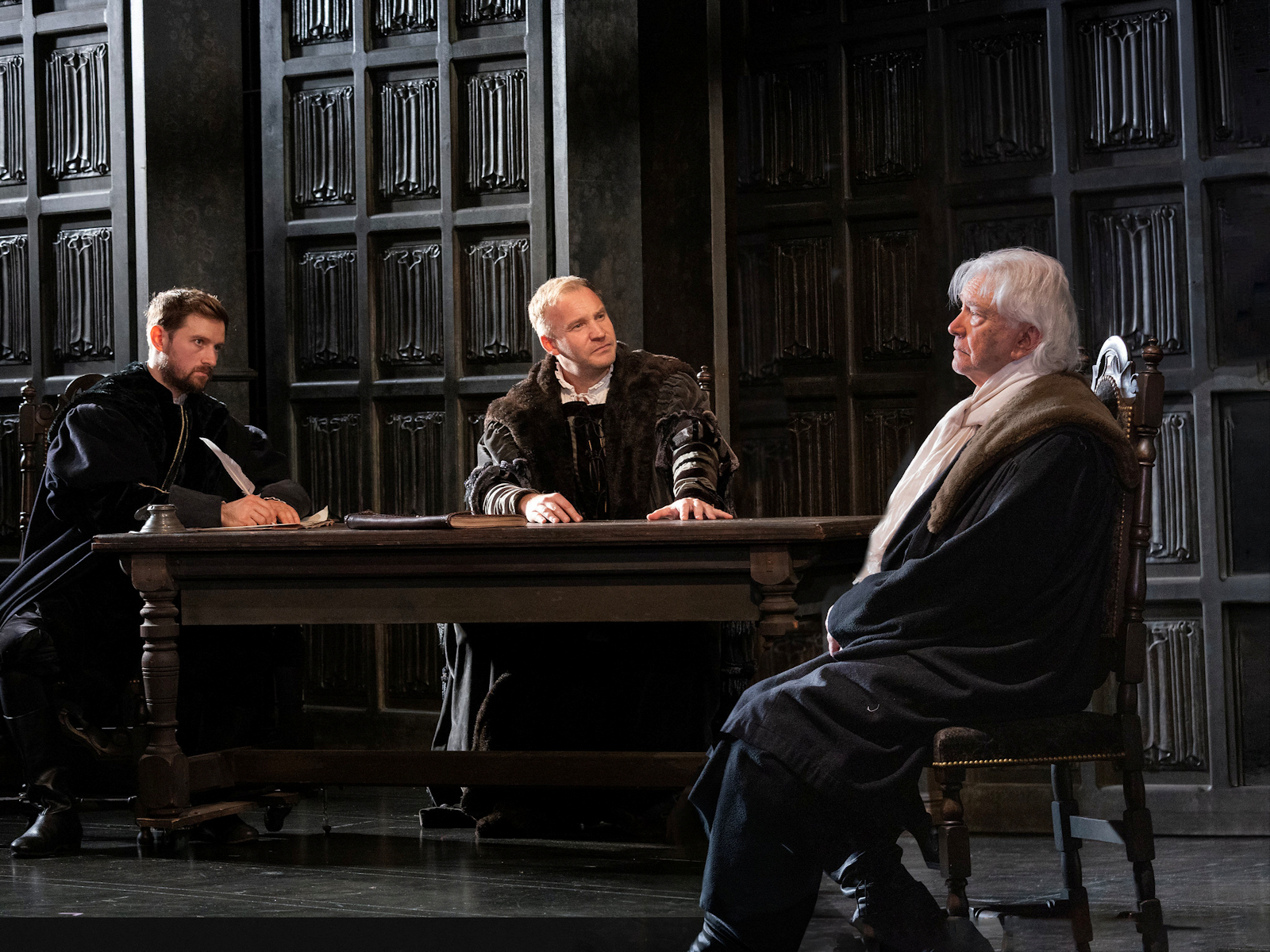
Political intrigue comes through manoeuvring of a desperate Cardinal Wolsey, performed by Nicholas Day (Minder, Trouble in Mind, Human Bomb, Amazing Grace)), a bullish Thomas Cromwell, performed by Sam Phillips (Bridgerton, The Crown, Far from the Madding Crowd) and the ambitious Richard Rich, performed by Peter Losasso (Seven Dials Mystery, Tracey Beaker Returns), whose willingness to tell those in power what they want to hear provides an interesting contrast to More's stubborn integrity. I especially enjoyed Phillips’ Cromwell – a man who understands the King all too well, recognises the dangers of failing to deliver what he wants and is prepared to do whatever it takes to succeed.
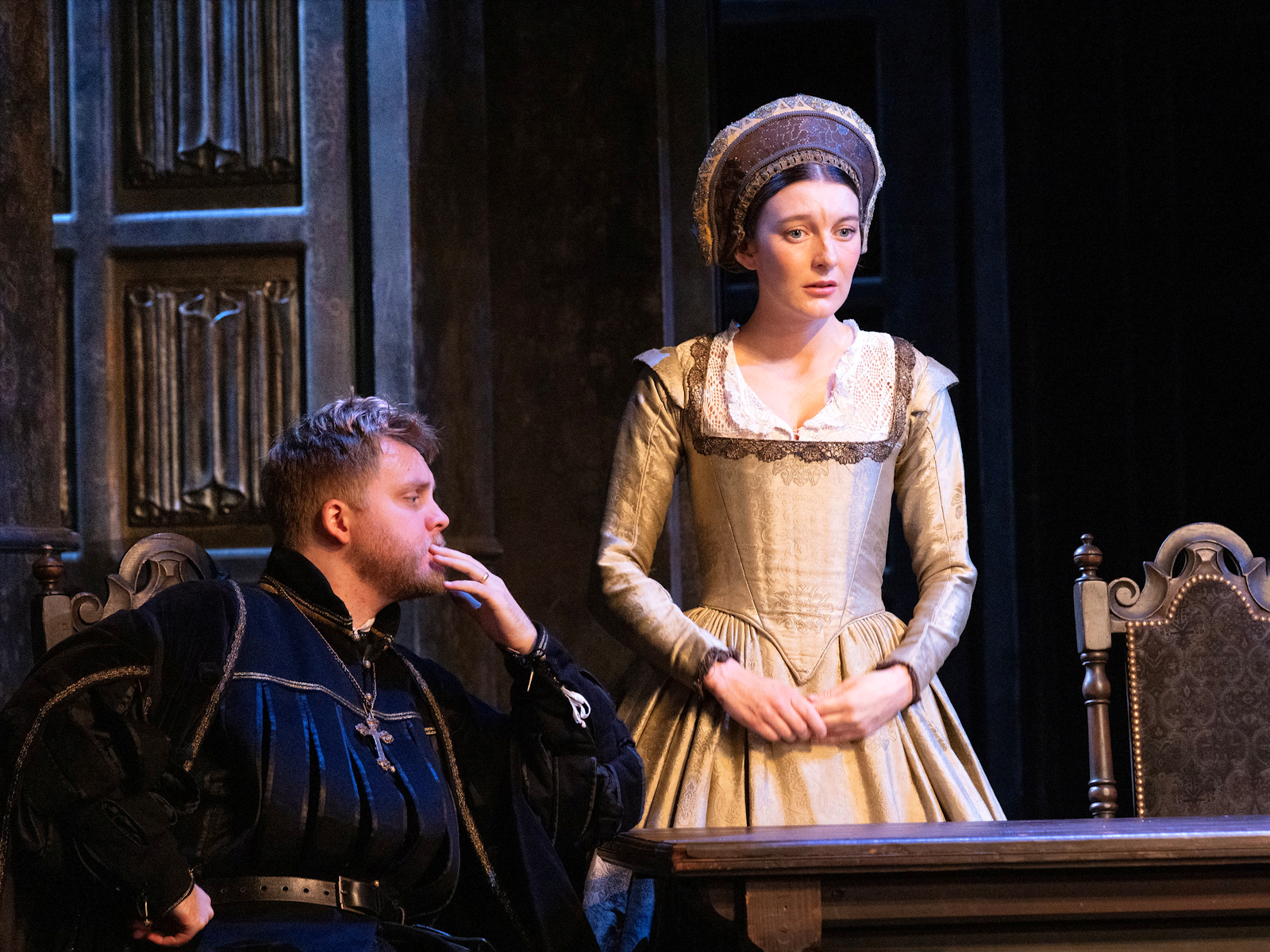
More's exchanges with his family offer a different perspective, revealing the frustrations of a family who cannot understand why he is prepared to sacrifice so much rather than make what might appear to be a relatively small concession. Grace Molony (Scorn, Artemis Fowl, Sister Boniface Mysteries) gives us a charming but naïve Margaret, whilst Polly Kemp (Les Miserables, The Life and Death of Peter Sellers, Dracula) gives us a more spiky Alice More. Bolt’s script doesn’t really give Kemp much room for manoeuvre, yet she and Shaw create tender, touching moments, especially in their last scene together.
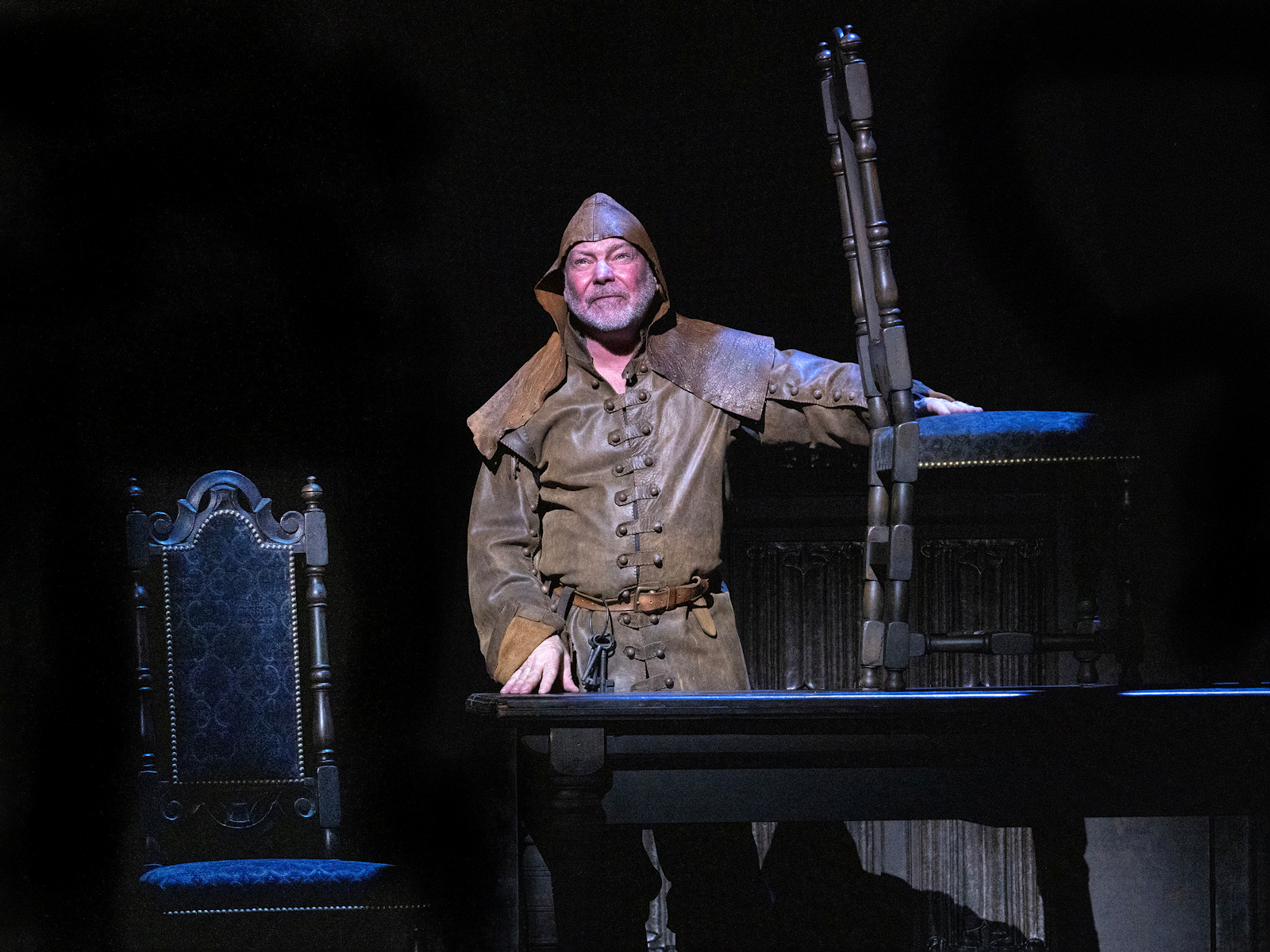
Adding a rather different voice is the Common Man, a character who moves between a succession of roles, from servant to boatman and jailer, commenting directly to the audience on the play’s events with a mixture of humour, pragmatism and (mostly) self-interest. Paul Kemp (Brassic, The Trial of Tony Blair, Life on Mars) leans into the humour – providing some welcome relief, but also subtly reminding the audience that, for many, surviving the whims of those in power is considerably more important than taking a principled stand. It is a joyous performance – certainly my favourite of the evening.
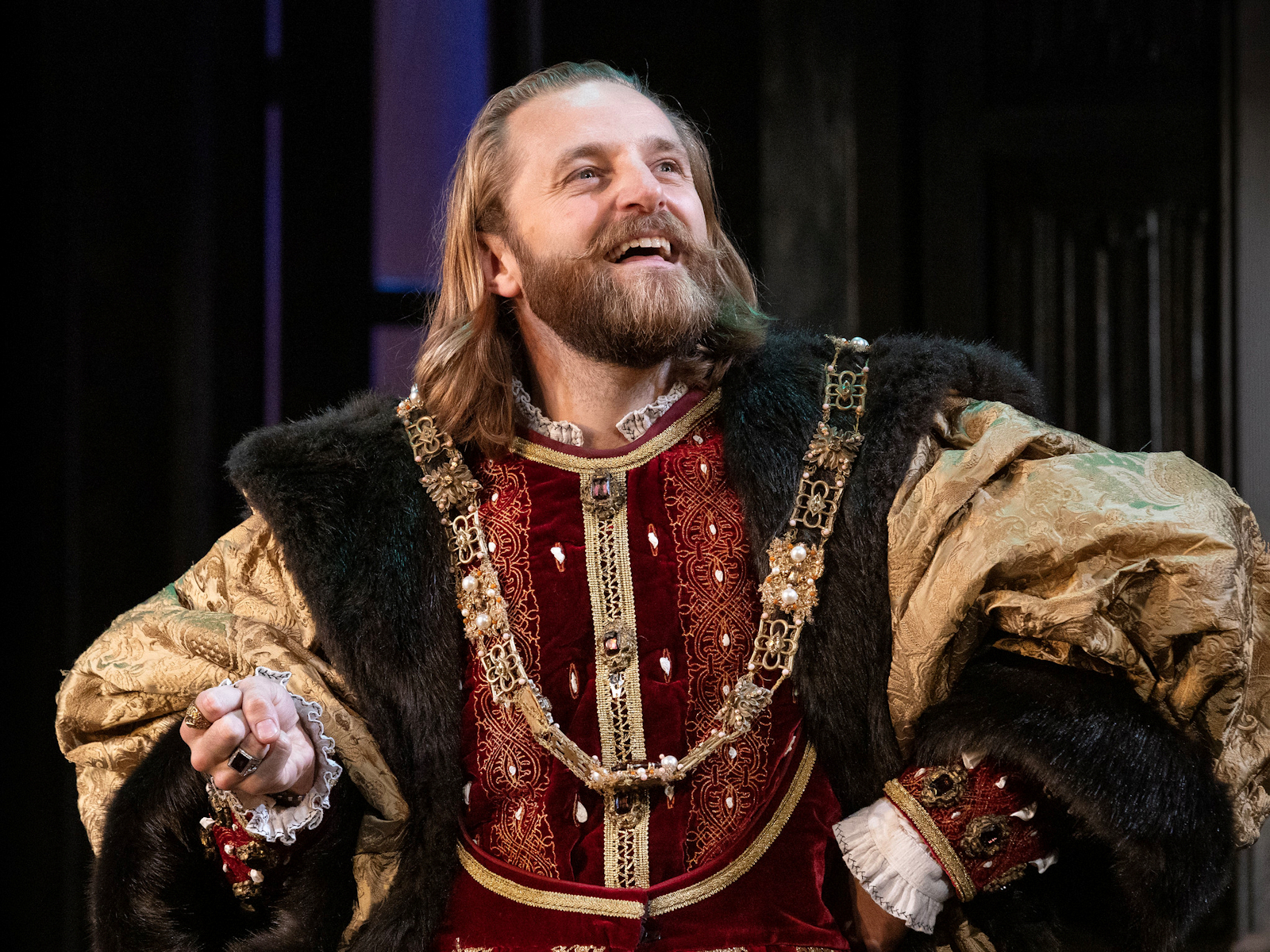
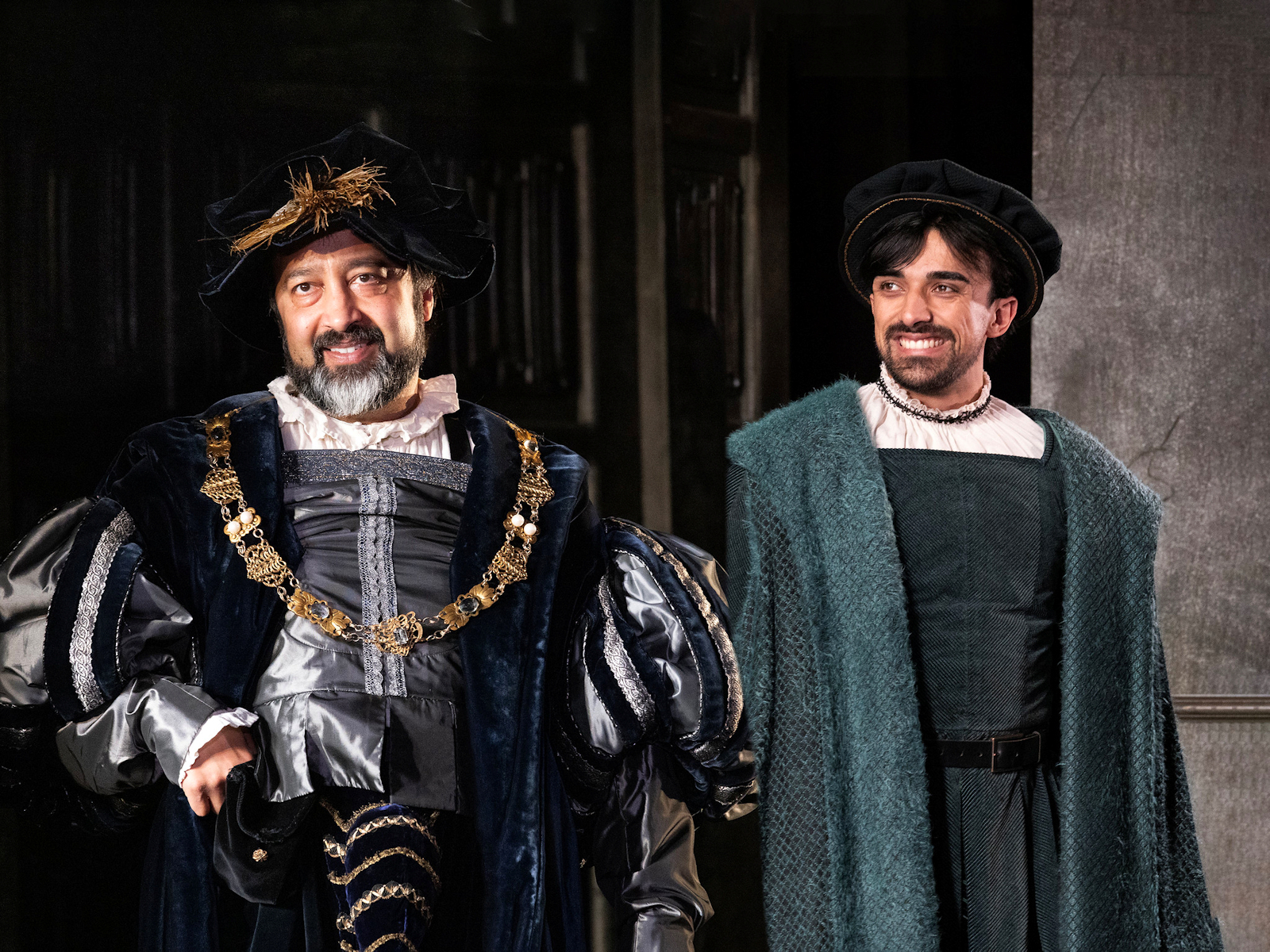
Other exceptional performances include Chris Larkin (Official Secrets, heroes and Villains, Tea with Mussolini) whose Duke of Norfolk finds himself torn between his friendship with More and his duty to the King, offering a more personal dimension to the political conflict, and Orlando James (The Winter’s Tale, Wonder Woman 1984, Six Wives) who gives us a capricious, charming, narcissistic and ultimately deadly Henry VIII.
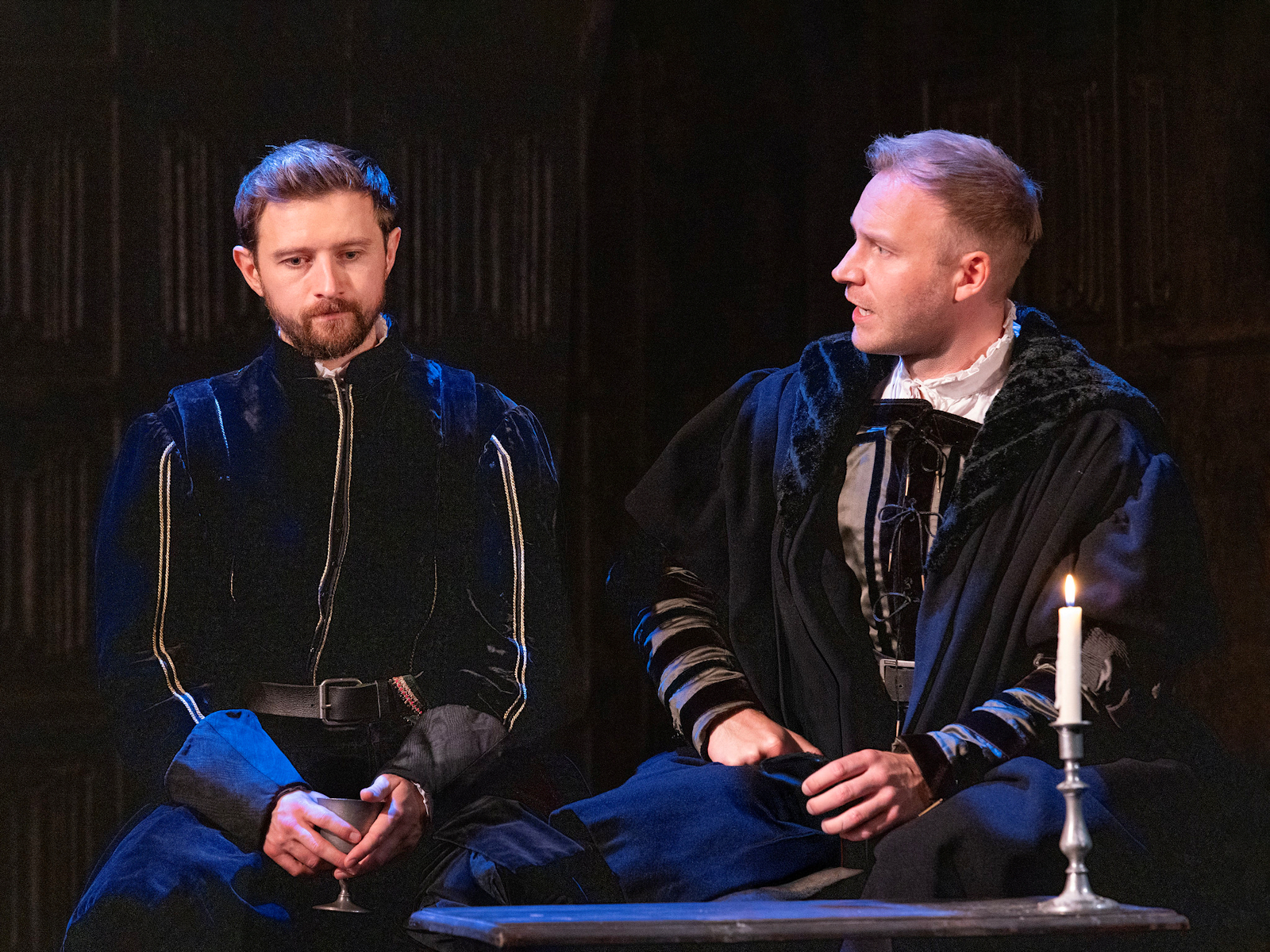
The staging is simple but incredibly effective, reinforcing the play's central themes. Tall wooden panelling and shelves of books suggest the richness of knowledge and complexity of the law. Yet the books also represent something written down, established and seemingly irrefutable, reflecting More's absolute faith that the law will protect him against the shifting political forces around him.
And that is the message this production really lands. To be a man for all seasons is not necessarily to be right about everything, or even to be an entirely admirable individual. It is to possess a sense of self that remains intact when circumstances change, even when maintaining it comes at an enormous personal cost.
This is an accomplished, authoritative production that, for me, sets something of a benchmark for Bolt's play. Driven by political intrigue, personal loyalties and increasingly difficult choices, it raises questions about power, principle and personal ambition that remain surprisingly relevant today. If you enjoy political intrigue, or were one of the millions captivated by Wolf Hall, this is a must-see.
WE SCORE A MAN FOR ALL SEASONS...

A Man for All Seasos is on at Lowry, Salfourd until Saturday 7th November 2026.
BUY TICKETS FOR A MAN FOR ALL SEASONS