Manchester Theatre News & Reviews
REVIEW - The Spy Who Came In From The Cold is definitely worth a watch, if you can cope with your mind being blown!
 BOOK TICKETS HERE
We were invited to Lowry to see The Spy Who Came In From The Cold. Read what our reviewer Karen Ryder had to say about this excellent drama...
An award-winning book written by John le Carré, turned into an award-winning film directed by Martin Ritt, has now been adapted for stage by award-winning writer David Eldridge, and it has been receiving favourable reviews up and down the country, so this was a show I had been looking forward to for a while. I was also keen to feed my curiosity as to how such a complex story, with endless twists and turns, exceptional subterfuge, deception, manipulation, and an iconic ending, would be given new life on stage. The added pressure of course, is that this is the first time any of le Carré’s incredible back catalogue has been put on stage, and as an undisputed modern master of the spy genre, with whoppers such as Tinker, Tailor, Soldier, Spy, and The Night Manager to revel in, fans new and old have been flocking to see this theatrical experience and found themselves completely entangled in the world of espionage, moral dilemmas, and not forgetting, love. The Spy Who Came In From The Cold celebrated a sell out run at Chichester, followed by a successful West End run, before heading on a UK tour, and as the audience settles down to a tale wrapped up in the Cold War, lead character Alex Leamus speaks directly to us, helping our understanding on the complex nature of the story, a brilliant strategy to help compress a lengthy, detailed novel into a 2 hour stage show.
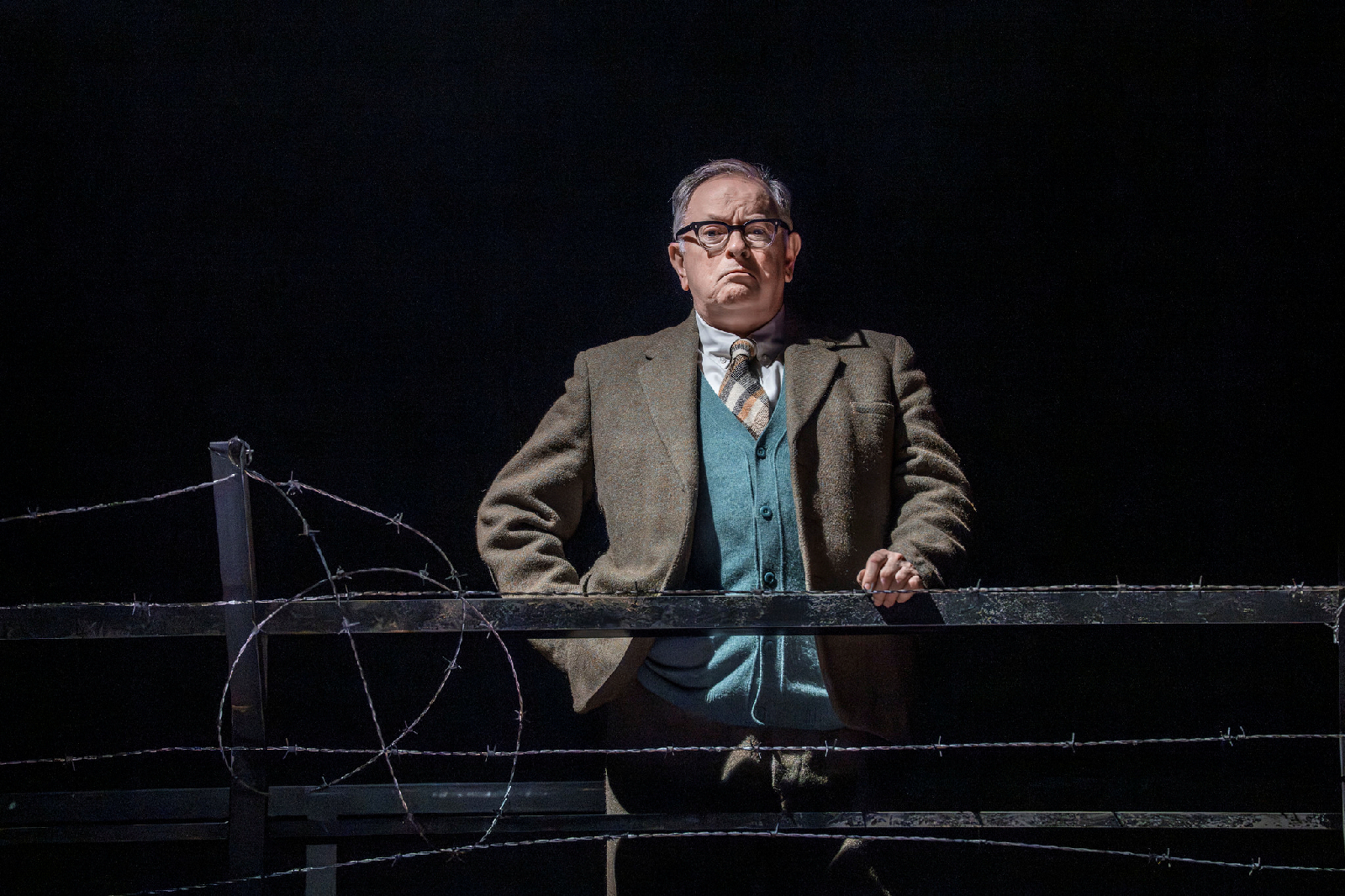
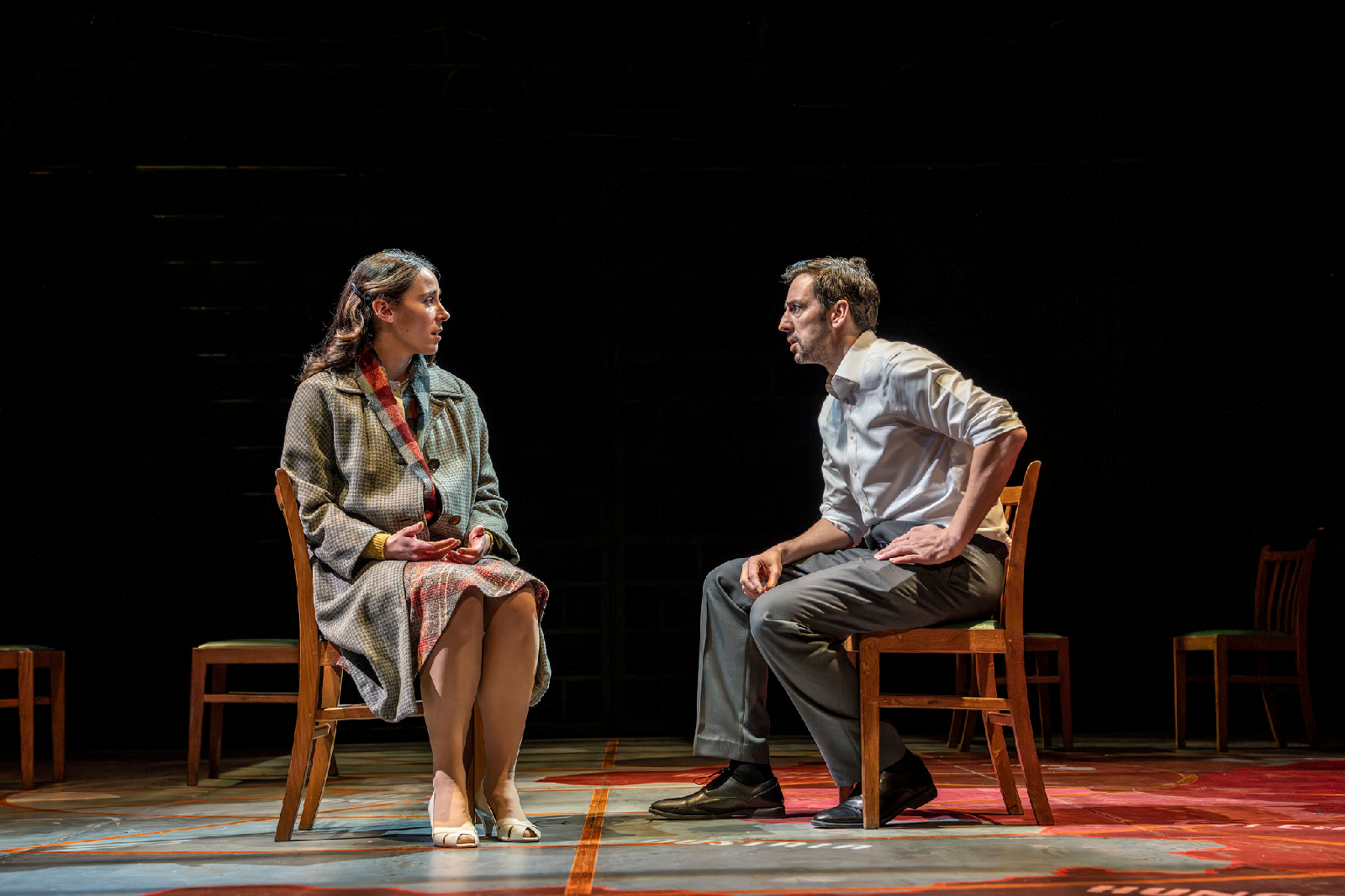
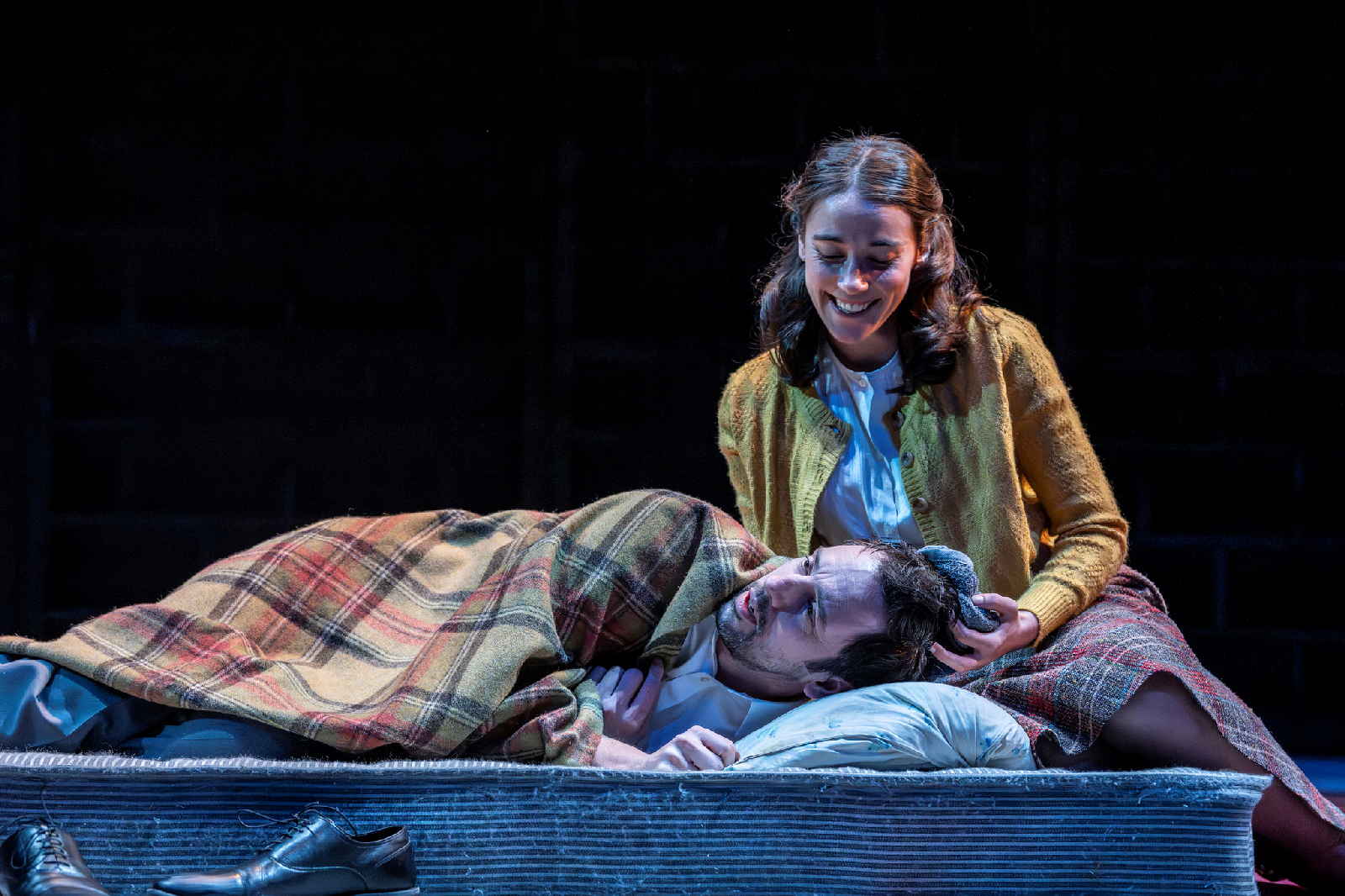
So how to follow a story when the lead character has numerous personalities? This is handled with ease and makes it intriguing and clear to follow. Alec is a spy in the aftermath of the Cold War, but war doesn’t simply end when the fighting stops, and we see him go under cover to discredit a rival East German spymaster with whom he has history. But have British Intelligence been entirely honest with Alec as to the nature of his mission? There is an abundance of double crossing from both sides, leading to life and death situations. The result? You never know who you can truly trust – even those who are supposed to be on your side. Throw into the midst of this that Alec falls in love, and choices become deadly, as a triangle of love evolves between human relationships, politics, and country. Is it possible to love all three, to fight and embrace all three, or will Alec and Liz ultimately have to make an impossible choice?

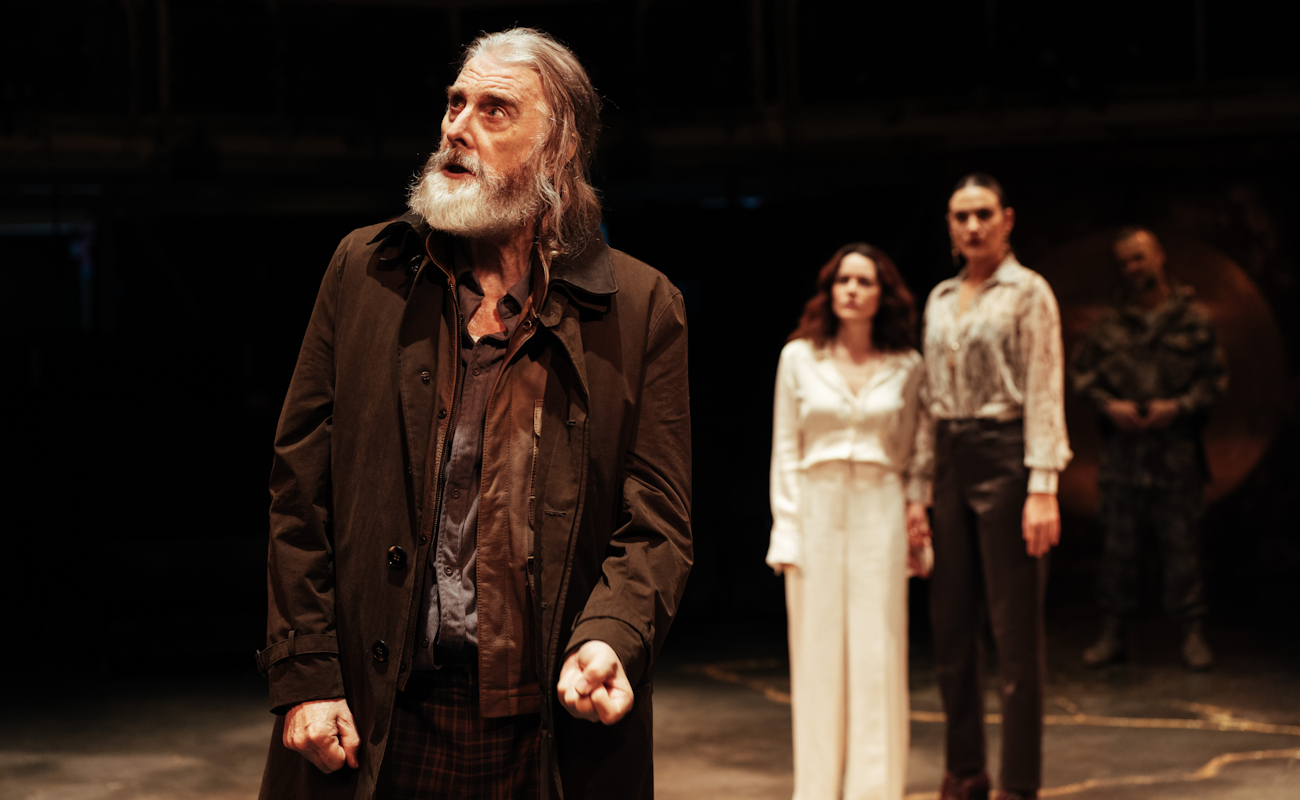
Ralf Little stars as Alec Leamus and cuts an impressive figure as the frustrated, questioning spy, loyal to his cause but full of doubt as to who he can trust. He switches from composure, to anger, and a sardonic dry wit with ease, making this a complex character and we see his struggle, his disillusionment and his anguish as he is in a tug of war between heart and head. Grianne Dromgoole as Liz Gold counter balances Alec’s cynicism with an innocent idealism that holds fast even in the face of the impossible, and brings believability with every movement and word spoken. As she must finally face her own naivety, the emotion is raw and etched into every breath making it a powerful performance. Nicholas Murchie as Control brings us an arrogance and self-assured pomp, that allows the audience to feel the same frustration Alec must feel. His clipped dialect is perfectly executed to bathe his speeches with an air of superiority and creates great moments of humour between Alec’s accent and his own. This is also the case for Tony Turner as George Smiley, though his presence is punctuated with purposeful moments of silence that distinguish his authority and control, and it is acted beautifully. Peter Losasso is Mundt, Alecs enemy and brings an eerie fear with his stance and controlled performance, especially when interrogating and torturing Alec in an uncomfortable scene, that is truly convincing. Eddie Toll is Agent Fielder and gives us an completely different take on the life of a spy, making us question whether he is driven by the desire for power or the desire to truly protect the interests of his country. He lets us in a little and this creates some fascinating scenes between himself and Alec. This is a strong cast who bring a complicated plot to the stage with clarity, passion, and excellent storytelling that keeps you on the edge of your seat.
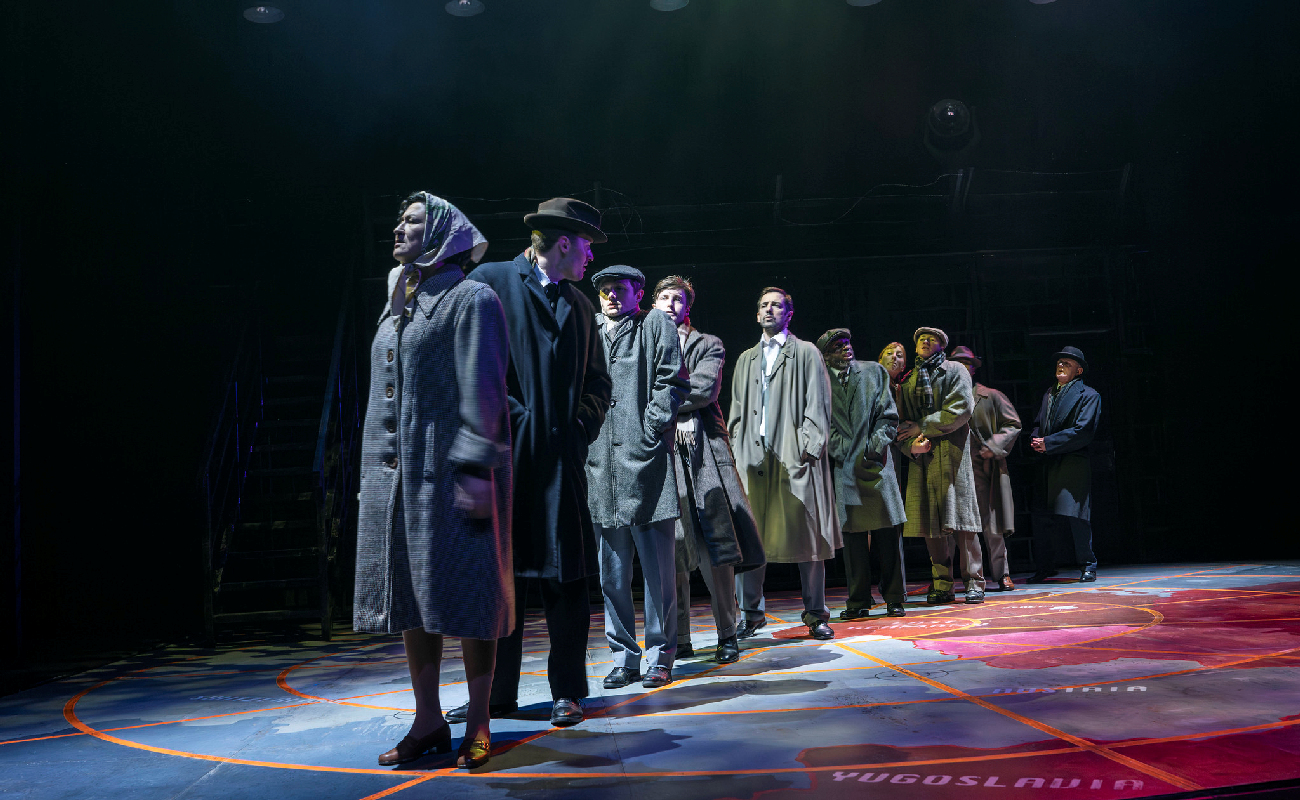
Adapted for stage by David Eldridge, the inclusion of narration and sometimes lengthy character dialogue feels like the perfect move to allow audiences to wrap their head around so much information in such a short space of time, information that, given the amount of plot twists in the book, is virtually impossible to leave out. He has found a way to condense whilst keep us informed, and this is to be applauded. Directed by Jeremy Herrin, this is a theatre piece totally centred around allowing the actors to bring forth the story, and the transitions between scenes make excellent use of the ensemble to impose nuanced details of the story, supporting the audience understanding throughout. Set and costume by Max Jones immediately draws our attention to an abandoned motor bike, drenched in a searchlight, against a backdrop of the Berlin Wall. Other than this, the set is clutter free, allowing the story space to breathe, and the wall remaining an ever present and important feature. Other simple set pieces are brought on and off with ease as needed, to depict location, time, or situation. Lighting by Azusa Ono manages to capture a mixture of isolation, suffocation, oppression, fear, and many other traits, each matching the characters predicament, from a red drenched stage, to a solitary spotlight. Sound by Elizabeth Purnell gives an undertone throughout that evokes a subconscious psychological response, with specific sound effects making the audience gasp in shock (sorry, no spoilers).
The Spy Who Came In From The Cold raises an abundance of uncomfortable observations, and opens up vital and intriguing conversations such as “is it ok to do a bad thing if it’s for the right reasons?” And the bigger question of “is there ever a winner where war is concerned?” This story doesn’t glamorise the life of a spy, nor does it glorify war, quite the opposite. It shows the dark, dirty, gritty, grim realism and the huge sacrifices involved and the real day to day cost of them on ordinary lives. And the whole show handles such difficult topics with dignity and without patronising. It certainly opens your eyes to an entire world of espionage that takes place as we carry on with our lives, with the belief it is all for our greater good. But when two sides are both fighting for the greater good, how can both be true at the same time? In this model, there always has to be a winner and a loser, and all the while, nobody asked the people fighting if the cost was worth it. There is no good and evil, no black and white in this story, everything lives in the grey area, the blurred lines, and breeds in the shadows. It is equally fascinating and terrifying. The Spy Who Came In From The Cold is a savage blend of a spy thriller, a contemplative dissection of humanity, and an observation of human capacity of living life in the middle, and most definitely on the edge of acceptability. It will keep you on the edge of your seat as, even if you know the story, you are never quite prepared for each new twist, each new shard of game play that twists a dagger deeper into the lives of everyone involved. A great story, granted a great stage adaptation with a slick cast and creative team.
WE SCORE THE SPY WHO CAME IN FROM THE COLD...
The Spy Who Came In From The Cold is on at Lowry in Salford until Saturday 25th July 2026.
Watch our "In Conversation with Grianne Dromgoole" video discussing the show