Manchester Theatre News & Reviews
REVIEW - The Memory of Water is a wonderfully entertaining and thought-provoking piece of theatre
 BOOK TICKETS HERE
We went to the Octagon Theatre in Bolton to see The Memory of Water. Read what our reviewer Karen Ryder had to say about this star-studded comedy drama...
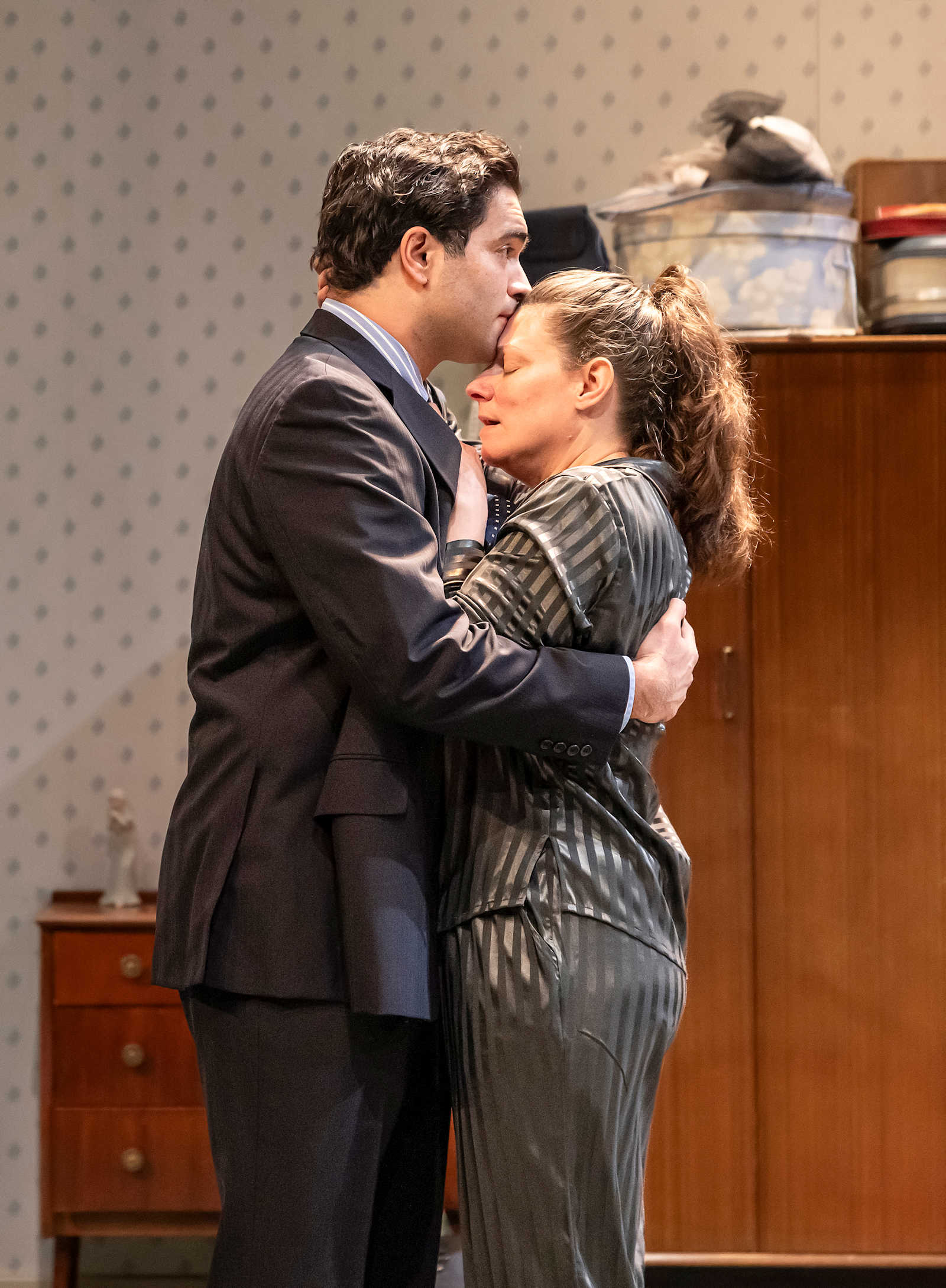
The Memory Of Water by Shelagh Stephenson, winner of the Laurence Olivier Award for Best New Comedy in 2000, has meandered its way to the Octagon Theatre, Bolton. A play that drips the complex and individual lives of three sisters into one pool, connected once more by the loss and grief of their mother. This is a funny and unique look at how our memories shape our world, questioning their reliability along the way. Teresa, Mary, and Catherine meet up in their childhood home the night before their mother’s funeral. Faced with the ghosts of their past bleeding uncomfortably into their present, they challenge each other’s childhood memories, posing the question of what memories are real and which are embodied or inherited as our own because we’ve heard them so many times. Armed with a cocktail of exhaustion, grief, whiskey, and home grown ‘organic weed’, a tornado of past resentments, niggles, and annoyances explode as the sisters are forced to relive memories as they sift through their mothers’ clothes and keepsakes. The result is space. By letting go, they create an open space, and it is filled with unexpected, unfiltered laughter. Can the sisters make their peace with each other, their mother, and more importantly themselves, as they awaken memories of their long-forgotten past? The Memory Of Water is written as a true ensemble piece, ebbing and flowing as one. These characters are all caught up in the same current, the death of Vi, whilst simultaneously being able to create their own personal ripples, leaving the others to ride out their turbulent waves. All are simply trying to keep their head above water as they strive to survive grief, family dynamics, complicated relationships, and the conflicting memories that we build our own narratives around.
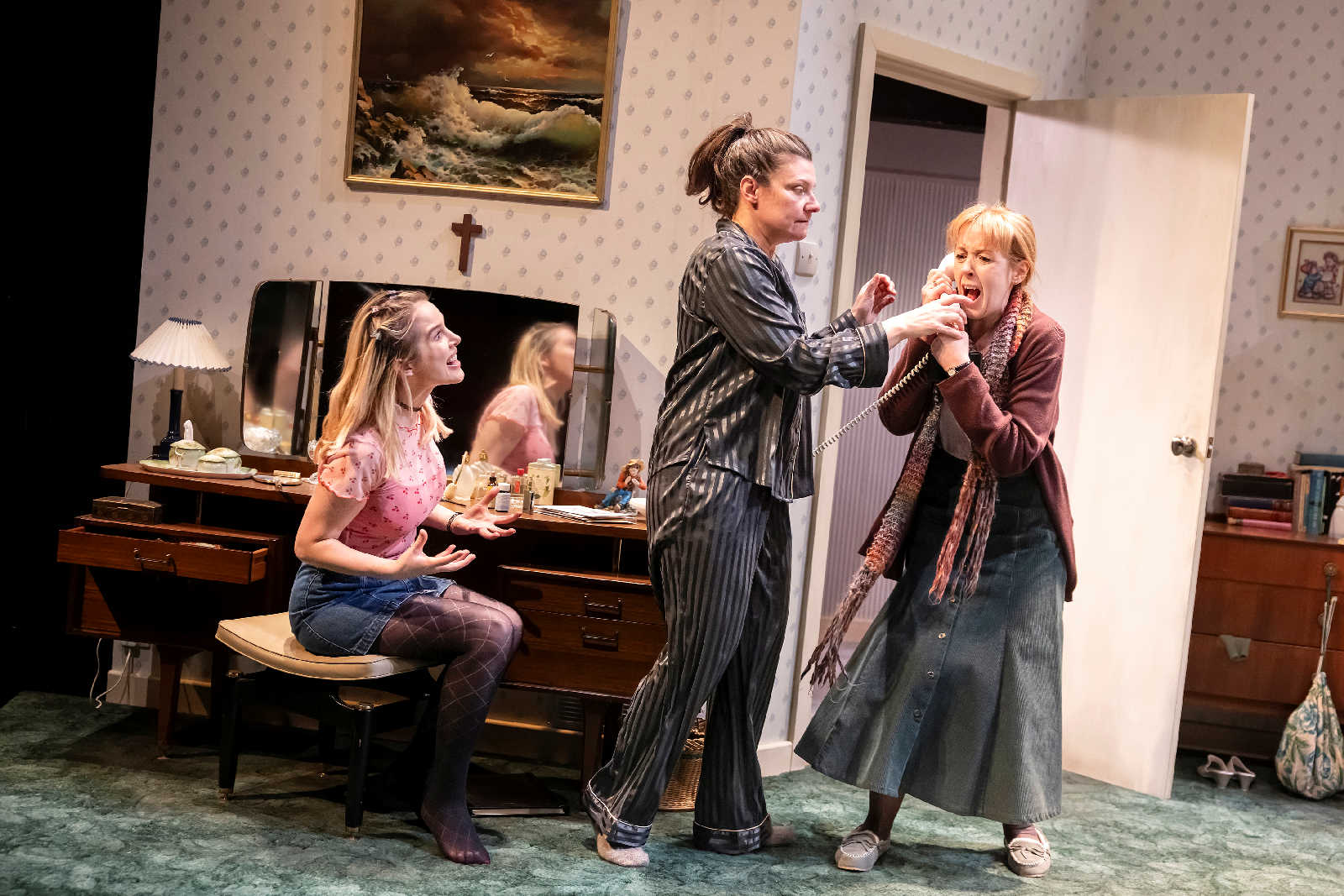
Victoria Brazier (The Book Thief, Pride & Prejudice, Hobson’s Choice) brings us the eldest sister Teresa, and we feel the weight of responsibility she has allowed herself to carry. We see the unravelling of her nerves in real time as she feels unsupported by her sisters, and the burden of trying to keep the family together. As the other sisters mock her self-proclaimed martyrdom, we begin to learn that there is a truth to her feelings as she opens the flood gates on family secrets she has kept all these years. She also brings us a devastating account of living with her mother’s Alzheimer's, and how the cruel loss of her memories destroyed them both. This performance has to be a sensitive one, allowing the heartache to be played with humour, without being insensitive, and Victoria Brazier absolutely nailed it. We could belly laugh at the wonderful one-liners she flung out, often without humorous intention from Teresa, and accept them because her humanity was always painfully transparent.
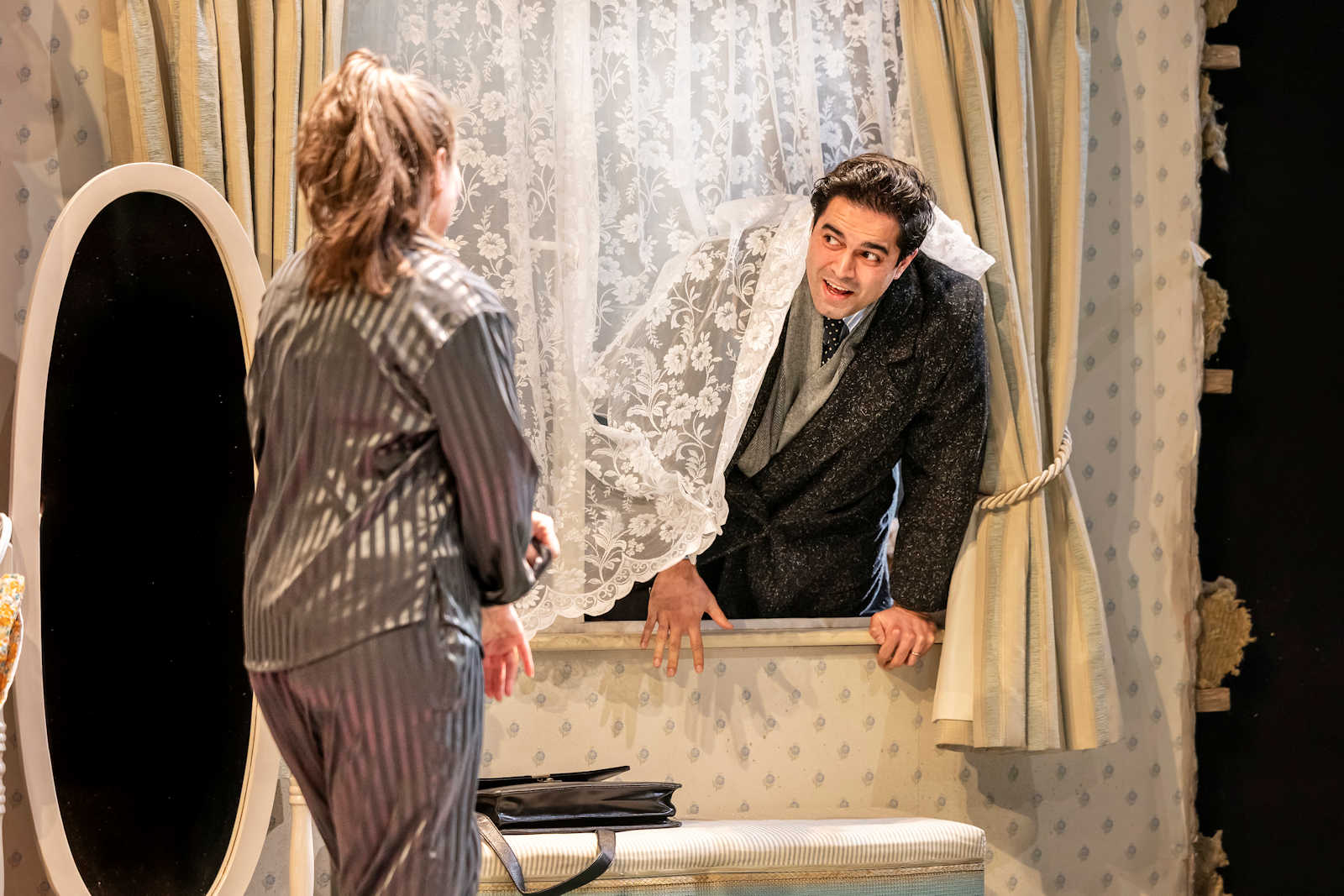
Polly Lister (Around The World In 80 Days, Animal Farm, One Man Two Guv’nors) is glorious as the middle sister Mary. A Doctor by profession, we see an exhausted and complex character, dripping with a dry sarcasm and lack of patience for her siblings. On the surface, she seems the most stable of the three sisters, but the secrets she carries spill out with heartbreaking clarity, and her perceived stoicism is shattered bit by bit. We witness her trying to absorb all the hurt, from the visitations from her mum as she works through a complex relationship, to the betrayals and lies of her partner, and the news of another devastating loss. The contradicting dynamics that Mary must bring us are expertly pronounced in Polly Lister’s performance, and her multi-faceted heartache is woven into and behind a deliciously dry and deadpan humour.
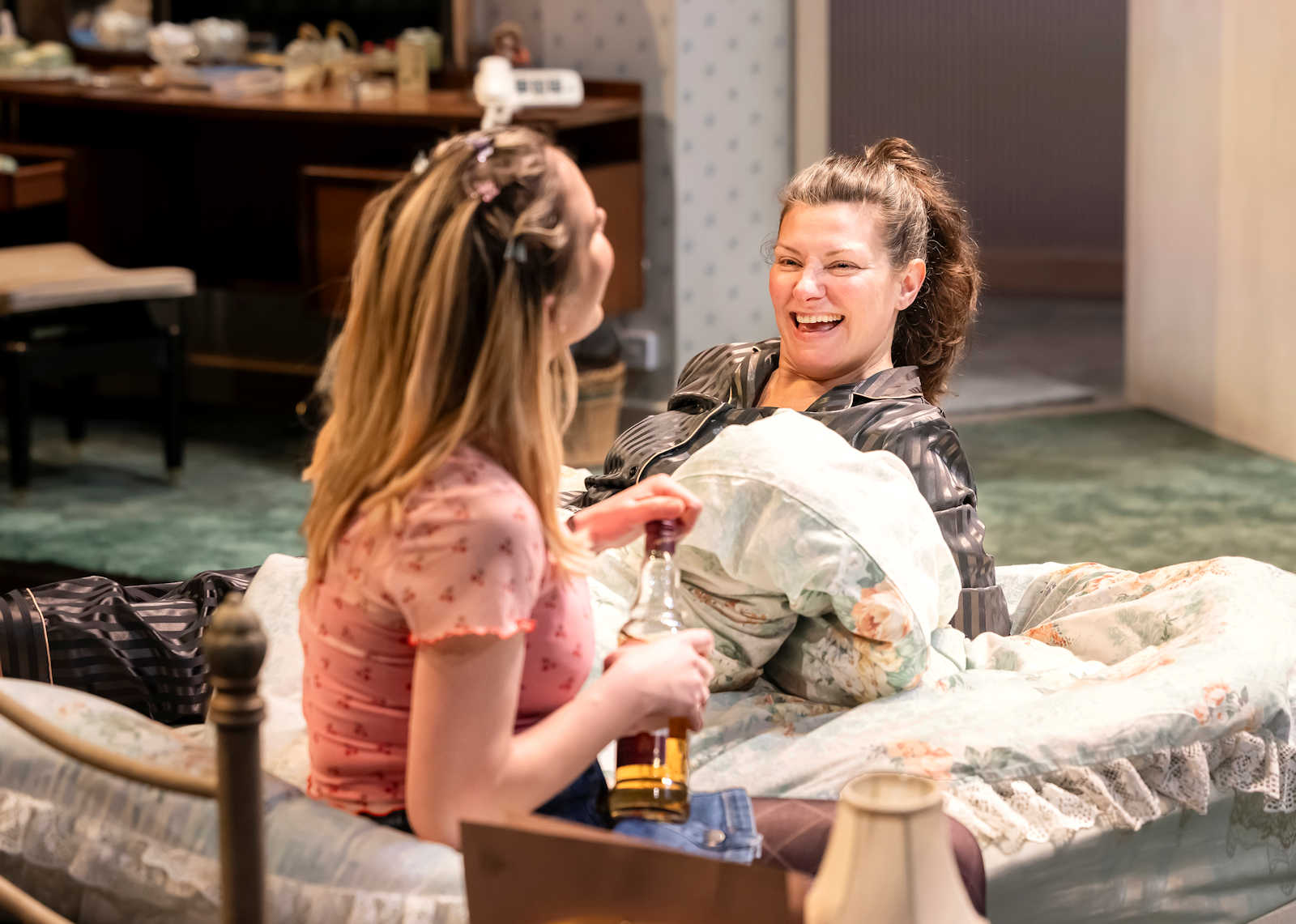
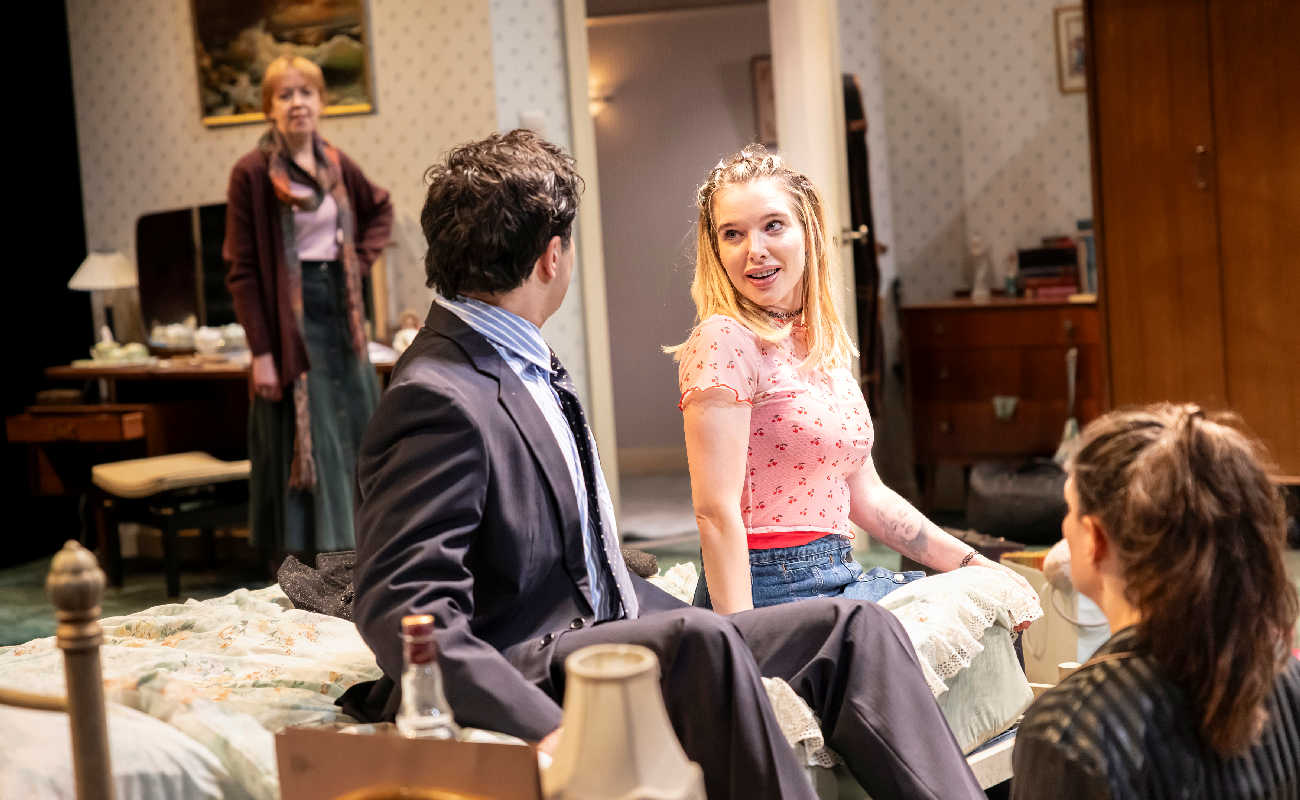
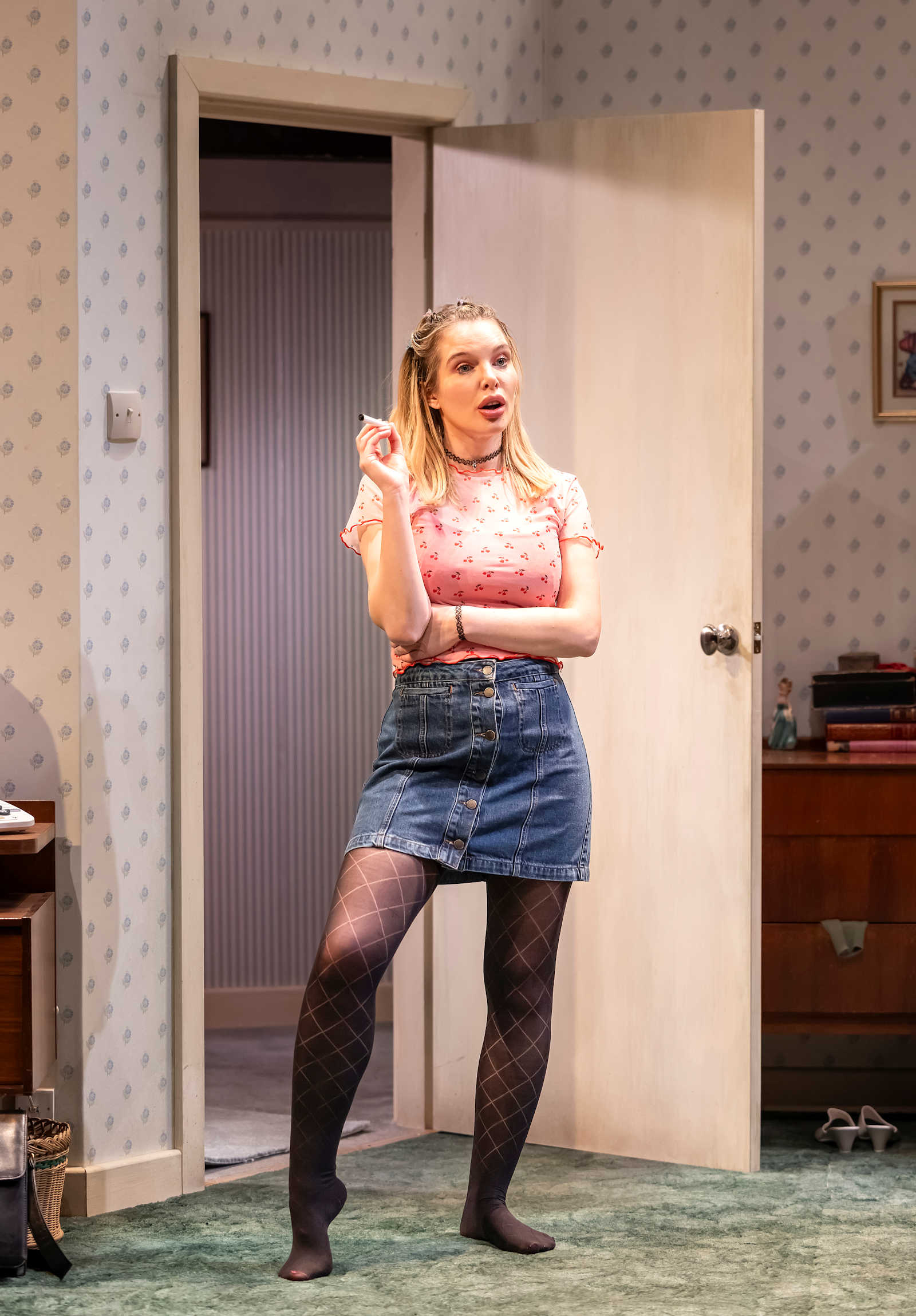
Helen Flanagan (Coronation Street, Holby, I’m A Celeb) is the youngest sister, and live wire Catherine. With a whirlwind entrance that allows her to set up the tsunami nature of her character, quite literally leaving a trail of herself wherever she goes, we get early glimpse of the underlying cause, a need to belong. Catherine displays her self-obsessed and attention seeking games overtly, allowing the audience to laugh at her tactics, her thoughts, and her whims, but every action is born by the need to feel loved. She feels left out by her sisters, not taken seriously, not trusted, and there is some truth to it. It is devastating that it is Teresa’s husband who truly sees her, and yet even when he points it out in black and white terms, they still don’t pay attention. We see Catherine spiralling more and more with her dramatics, her drug usage, her loudness, all a cover for what is truly going on underneath, so when we see moments of real honesty, emotion, and grief towards the end of the play, they hit home, and you see underneath all the bravado.
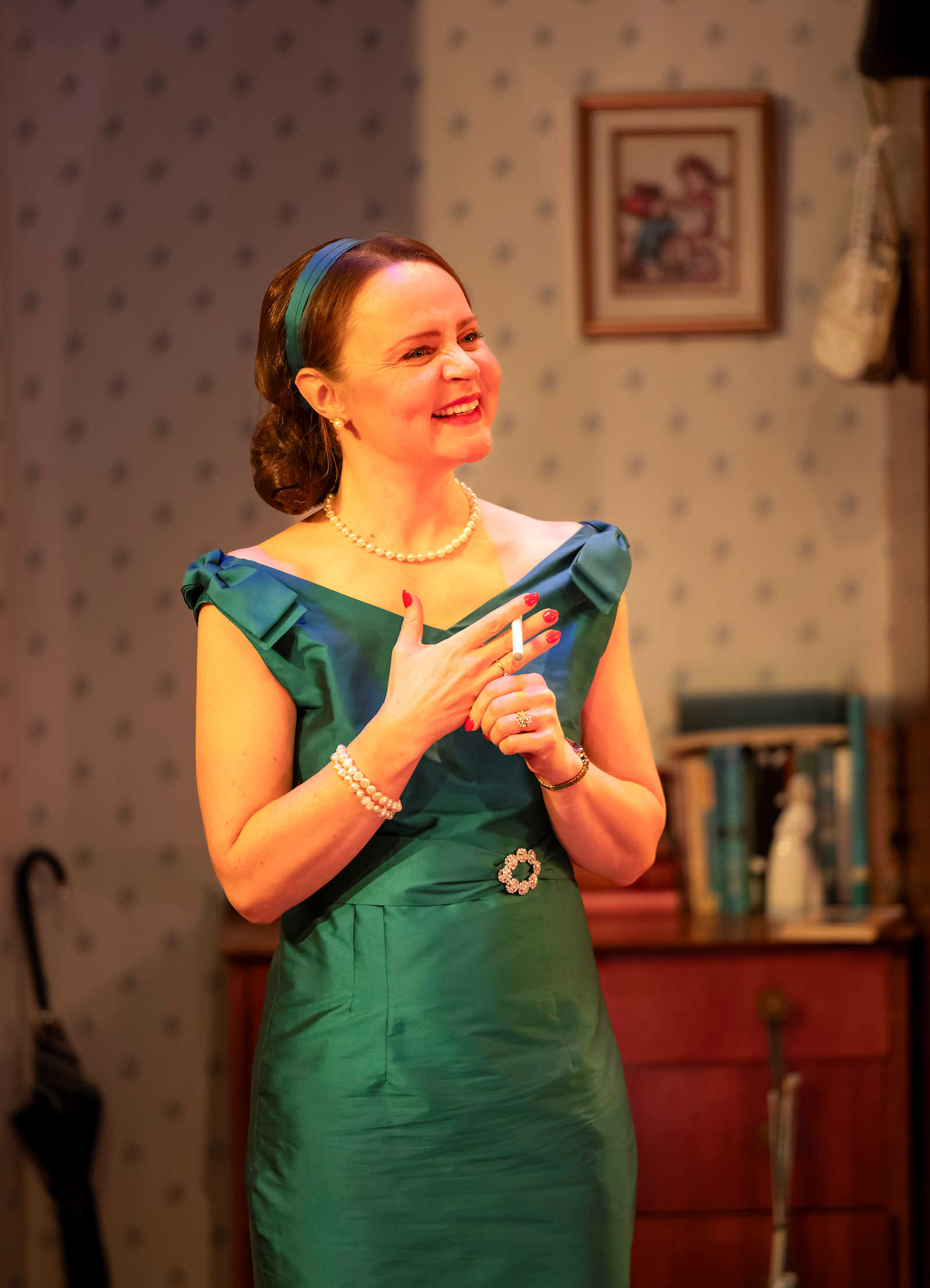
Vicky Binns (Emmerdale, Corrie, Home, I’m Darling) brings us the Vi, the mother of the sisters, who has passed away. We are initially given the impression that this is a hardened Northern woman who takes no nonsense and lacks motherly instincts and has no time for emotions. She was certainly admired in her younger years and perhaps her balance of personal life and mother were not quite balanced in favour of the girls, but as the play goes on, we are given the space to discover a different version of events, and see that in fact, she did the best she could with the skills she had, and the life she was living. Vicky Binns beautifully graduates Vi moment by moment so that the alternative memories don’t ever feel jarring or like excuses but instead pull us into genuine empathy for Vi. She holds herself with a dignified pride throughout, her glamour used as her defensive shield against the difficulties and hardships of her own life.
Charlie De Melo (Coronation Street, A Streetcar Named Desire, Breakfast At Tiffany’s) plays Mary’s married boyfriend Mike with a refreshing honesty considering his characters relationship with Mary. And so, when that honesty is shattered with two big moments, it pulls the audience into Mary’s orbit because we feel lied to as well. Even then, his lies are so unapologetic and are explained with a reasonable calm, it leaves us somehow still liking him, and there seems to be no suggestion that Mary will leave him. We are given an intelligent, caring, supportive, and humorous character who is also a cheat, a liar, unsupportive, and self-centred. It is a wonderful performance portraying that good people can often do ‘not so good’ things, and the conflicted morality this can bring.
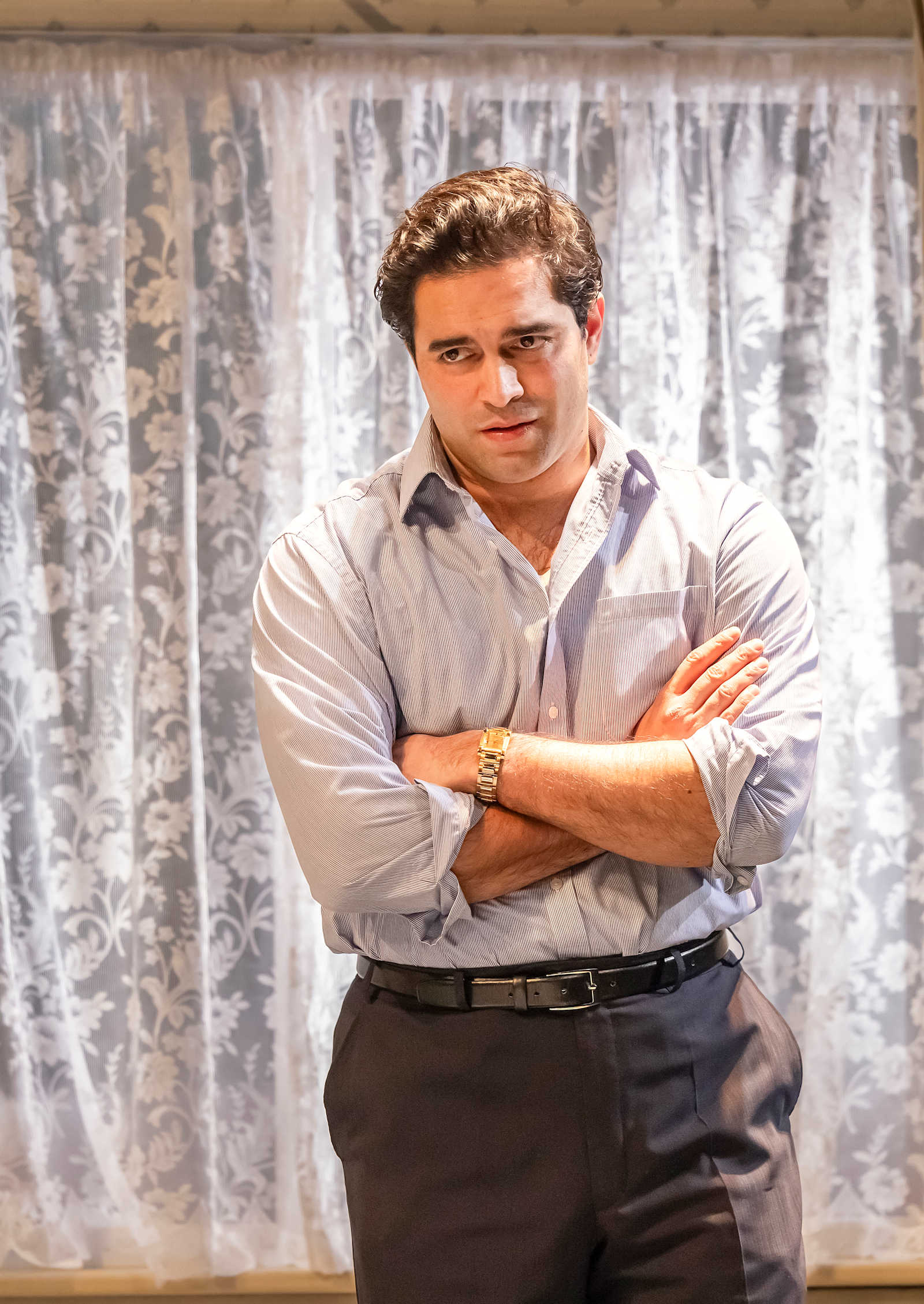
Reginald Edwards (Great Expectations, Frankenstein, A Christmas Carol) is Teresa’s husband Frank, and although we are painted a picture of him through the eyes of Teresa before we ever meet him, he perhaps turns out to be the rock of the entire family. He supports Teresa wholeheartedly, even by working a job he hates, so that she can have the space to support her family and mother. He sees the issues with Catherine in a way no one else does, and he offers insight amongst all the chaos. He even handles Catherine’s inappropriate attempts for attention with a respectful dignity, where as he could have blown the sisters relations even further apart. We feel his exhaustion, his disbelief that despite all he cracks on with, Teresa still finds fault, but he absorbs it all stoically. Reginald Edwards really does bring us the epitome of the unsung hero, the good guy who goes quietly unappreciated, and even though the sisters compare him to their deadbeat, absent, and cheating dad, I saw him as a scapegoat, one the family needed to be able to function until they each sorted out their own issues. When Frank finally tells Teresa that he is unhappy and needs something more, it isn’t with drama, with shouting, with blame. It is with honesty, calm, and exhaustion, and his sanity against the chaos brings a voice of brilliant disbelief and humour.
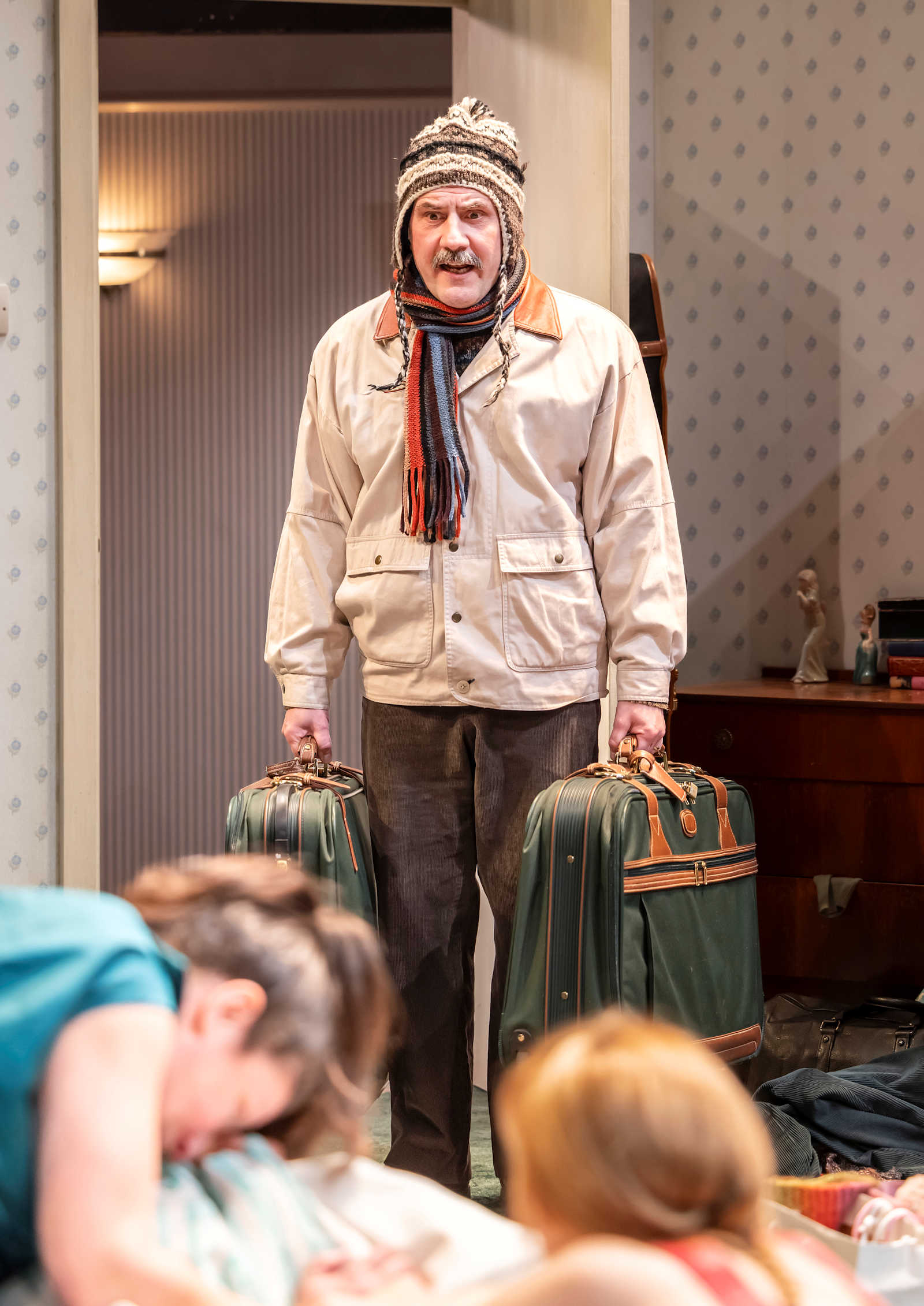
Directed by Lotte Wakeham, this cast compliment each other without question. The different and complex dynamics of each character is given the space to breath grow, flip, swirl, and land somewhere a little off their own centre. We see change. Not earth shattering, voluptuous change, but the gentle seeds of change, and that’s all these characters need. That chance. Contained to one room throughout, that of their deceased mother, this echoes their feelings of being trapped in something, and so it is cathartic that the only time we see them all leave together is at the end as they all learn how to let go of something they have been holding too close. The set, designed by Katie Scott, is exquisitely keen on detail, the here and now of the sisters blending into the death of their mother as carpet tapers off into bare floorboards, and papered walls recede into open rafters. Echoes of Vi are to be seen everywhere, showing how memories can live on and so perhaps the person only truly dies when every trace of them has been forgotten. At the interval I went down to stage level and saw even more detail up close, the piles of objects stored under the bed, an array of bedside table clutter. It meant Vi was always in the room.
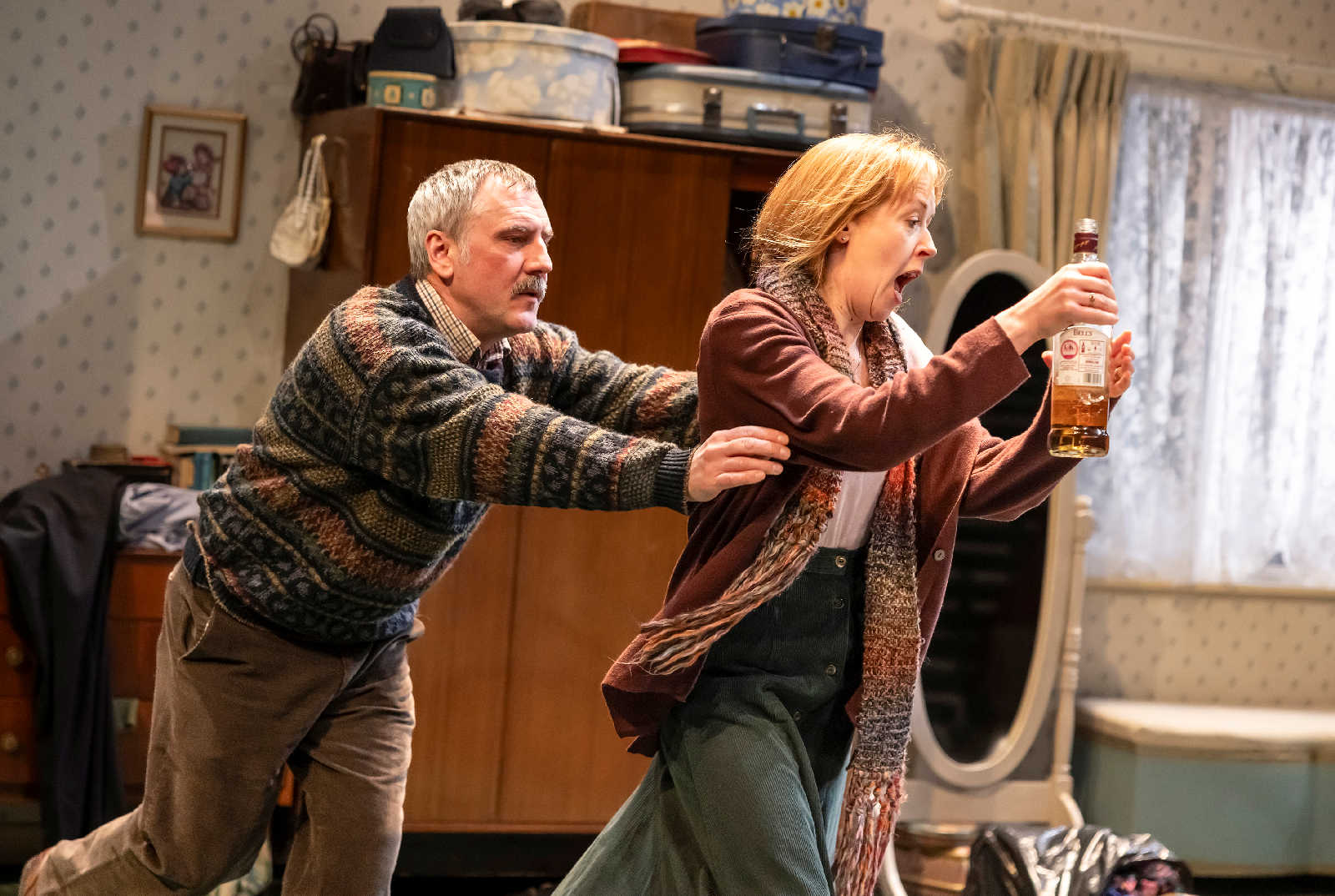
The Memory Of Water is a clever look at what memories are, how they keep someone alive, and how they can never be fully reliable as we are all capable of remembering the same event with such opposing convictions. It explores how varying factors can help shape, change, and reinvent memories, such as relationships, grief, illness, injury, and the sheer will and desire of wanting something to be remembered in a certain light. Perhaps all memories are a swirling mix of truth, desire, circumstance, and convenience, making them a source of comfort, distraction, torment, and confusion. But if we can’t fully trust our own memories, then what on earth can we trust? The Memory Of Water is a beautifully character driven story that encourages the audience to find understanding in each of them. To somehow believe each of them, even though their recollections are conflicted. To do so, we must believe that all things can be true to the beholder, as Vi puts it “memories adrift among a series of islands of your own identity.” A universal theme of grief and death unites not only the sisters, but us as an audience too. It is something we must all face in life. The only certainty we can count upon.
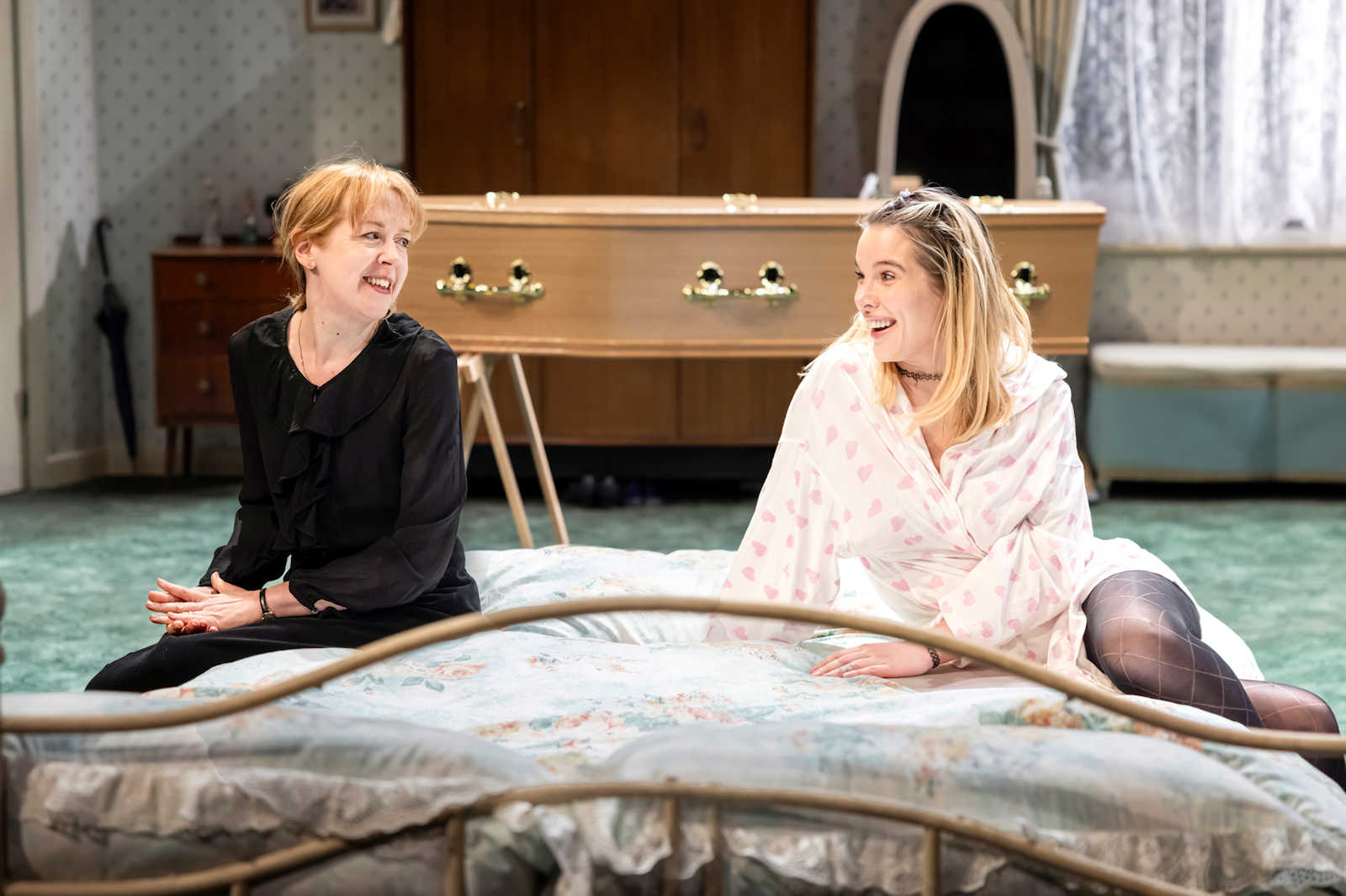
The Memory Of Water allows the complexities of family dynamics to play out before us and in doing so, brings the absurdity of humanity, ensuring that despite its deeply sorrowful themes of death and grief, this is a beautifully funny and heartwarming play that will have you laughing rather than sobbing. There are some sharp and humorous observations based on the daft things we all say surrounding death, such as when the coffin is brought in and Catherine asks (my memory of course not remembering word for word), “Was she really that small?” and Teresa replies, “well of course she was! They haven’t folded her up have they?!” Shelagh Stephenson’s Oliver award-winning play is a loving look at family dynamics, grief, loss, and the malleable nature of memory. Jam packed with superb humour, observational anecdotes, and perfectly flawed characters, The Memory Of Water will remain in my own memory as a wonderfully entertaining and thought-provoking piece of theatre that I recommend to all. And that is something I can trust.
WE SCORE THE MEMORY OF WATER...
The Memory of Water is on at the Octagon Theatre in Bolton until Saturday 21st February 2026.